WEFTA is pleased to share the successful completion of Phase I of the WASH in Healthcare Facilities initiative at Lituhi Parish Centre in Nyasa District, Ruvuma Region, Tanzania. The work was implemented by Sanitation and Water Action (SAWA) in collaboration with the Catholic Diocese of Mbinga and supported by Water Engineers for the Americas and Africa (WEFTA).
For many years, Lituhi Parish and St. Elizabeth Hospital faced chronic water shortages that compromised healthcare delivery and daily life. The hospital depended on an unreliable gravity-fed system and, during shortages, resorted to transporting untreated river water. Patients were often asked to bring their own water for bathing and cooking, placing additional burdens on already vulnerable families. Water scarcity affected not only the hospital, but also the parish, school, and surrounding households.
Addressing a Long-standing Crisis
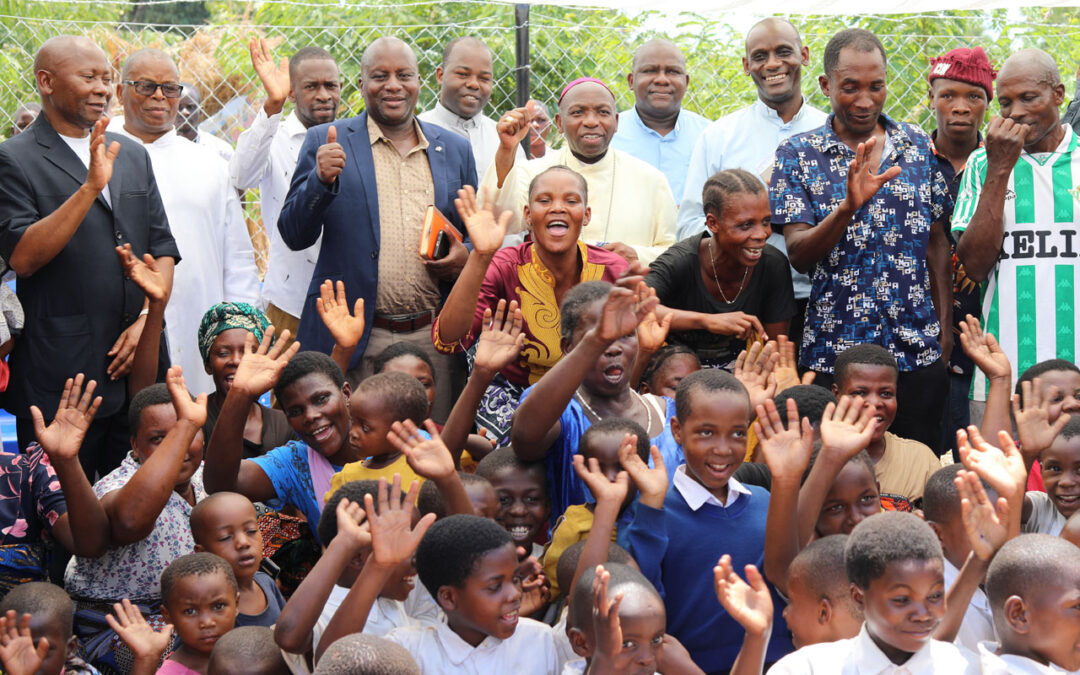
Phase I addressed this long-standing crisis by developing a high-yield borehole and installing a hybrid solar-powered pumping system that now provides a reliable and sustainable source of safe water. New transmission and distribution lines were constructed to serve the hospital, Sisters’ Convent, Priests’ House, church, primary school, and nearby homes. Secure infrastructure, including a pump house and control systems, ensures that water is delivered efficiently and protected for long-term use. Today, more than 3,000 people benefit from consistent access to clean water, transforming healthcare services, education, and daily living conditions.
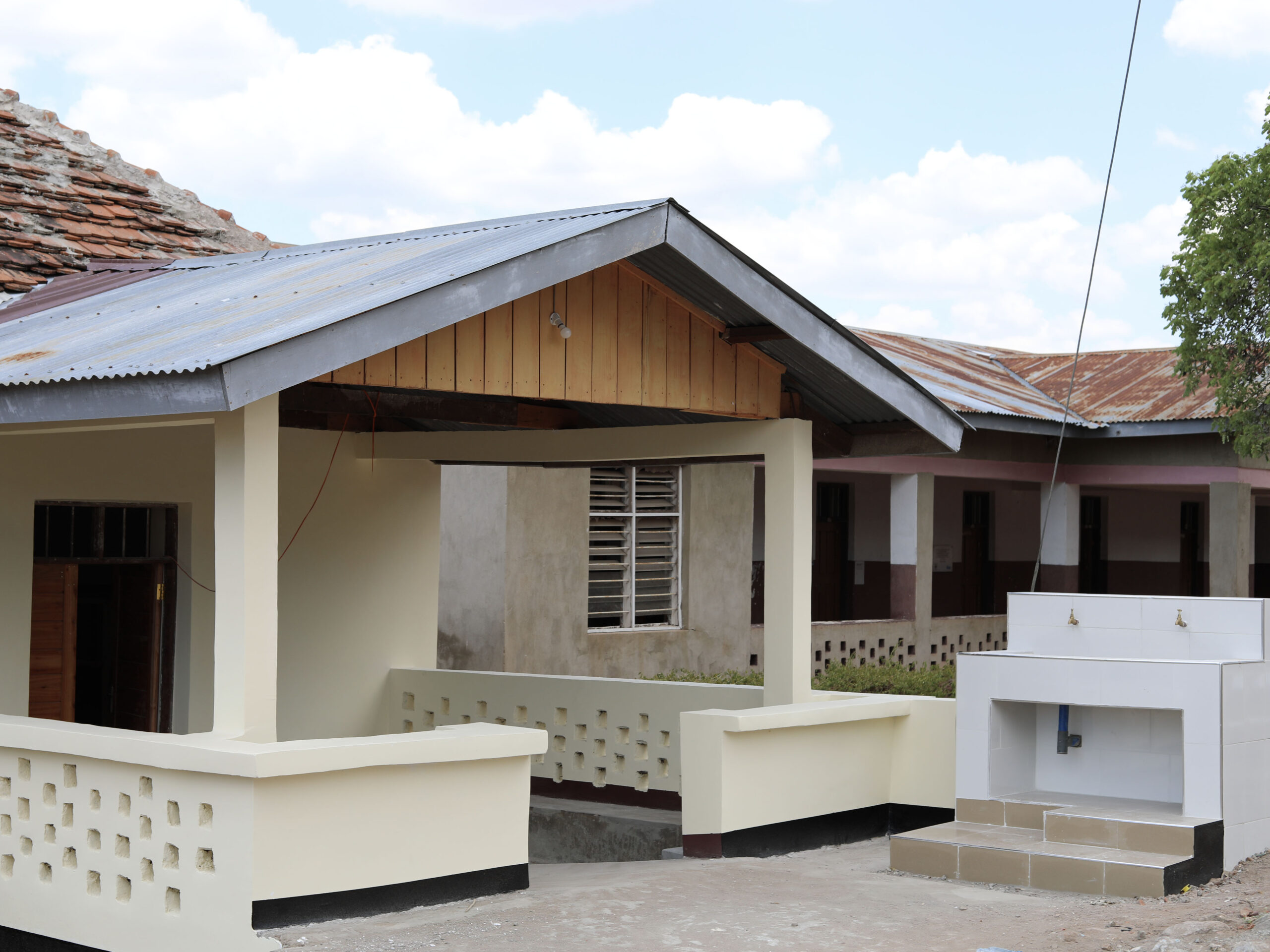
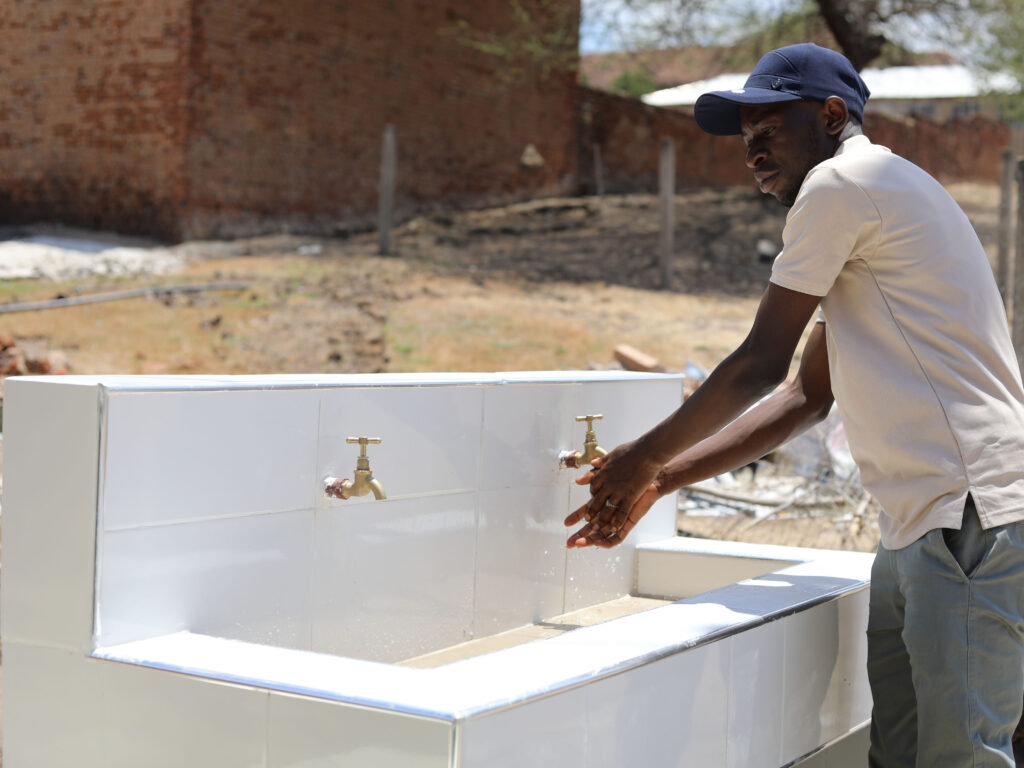
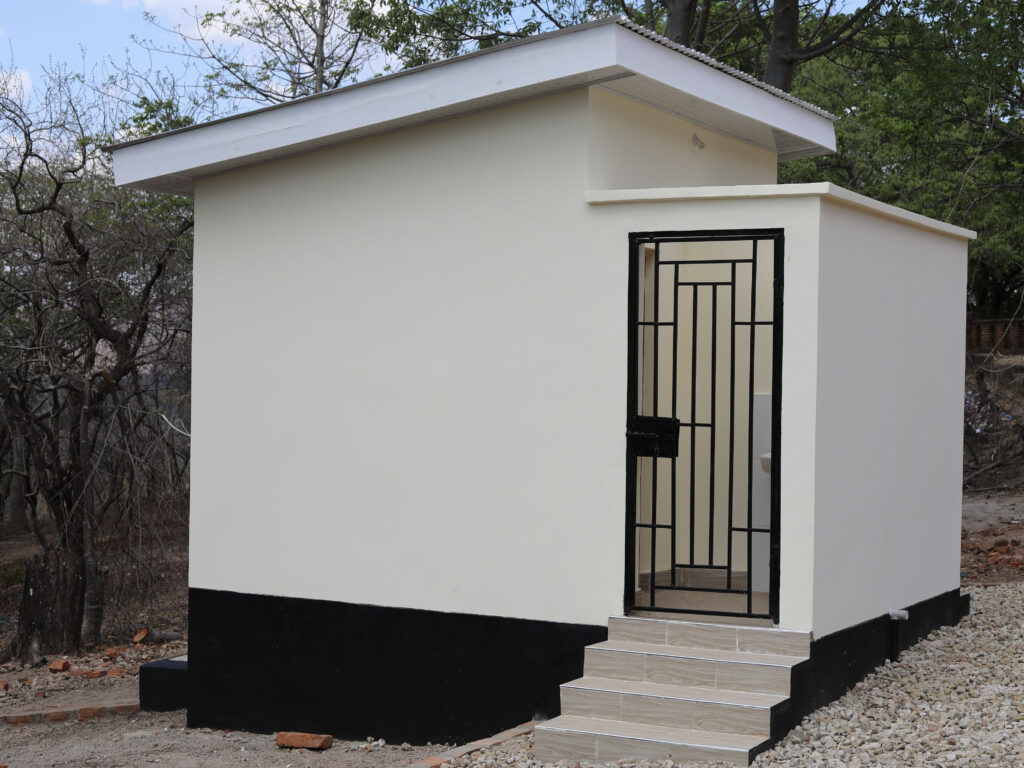
Sanitation and hygiene conditions across the campus were also significantly improved. New and rehabilitated toilet facilities now serve patients, staff, clergy, religious sisters, and parishioners. Critical areas within the hospital—including the surgery ward, outpatient department, and diagnostic units—received upgraded sanitation infrastructure, along with strategically placed handwashing stations to strengthen infection prevention and control. Wastewater systems were rehabilitated and expanded to ensure safe disposal and environmental protection. These improvements have enhanced dignity, safety, and quality of care, particularly for mothers, newborns, and young children.
Ensuring Sustainability
Sustainability has been central to the project’s design. A local WASH Management Committee has been established and trained to oversee operations, routine maintenance, and financial management of the system. Parish and hospital leadership are actively engaged in safeguarding the infrastructure, and community participation throughout implementation has fostered strong local ownership.
The impact of reliable water is already evident. Healthcare delivery is more efficient and hygienic, staff morale has improved, and patients no longer carry the burden of sourcing water during times of illness. The Sisters’ Convent has expanded food production through improved gardening, and the school community benefits from dependable access to safe water throughout the academic year. What was once a persistent crisis has become a foundation for growth and development.
The completion of this phase at Lituhi stands as a testament to the power of partnership, technical excellence, and community commitment. Together with SAWA and the Diocese of Mbinga, WEFTA continues its mission to strengthen WASH services in healthcare facilities across Tanzania, ensuring that safe water protects health and restores dignity.