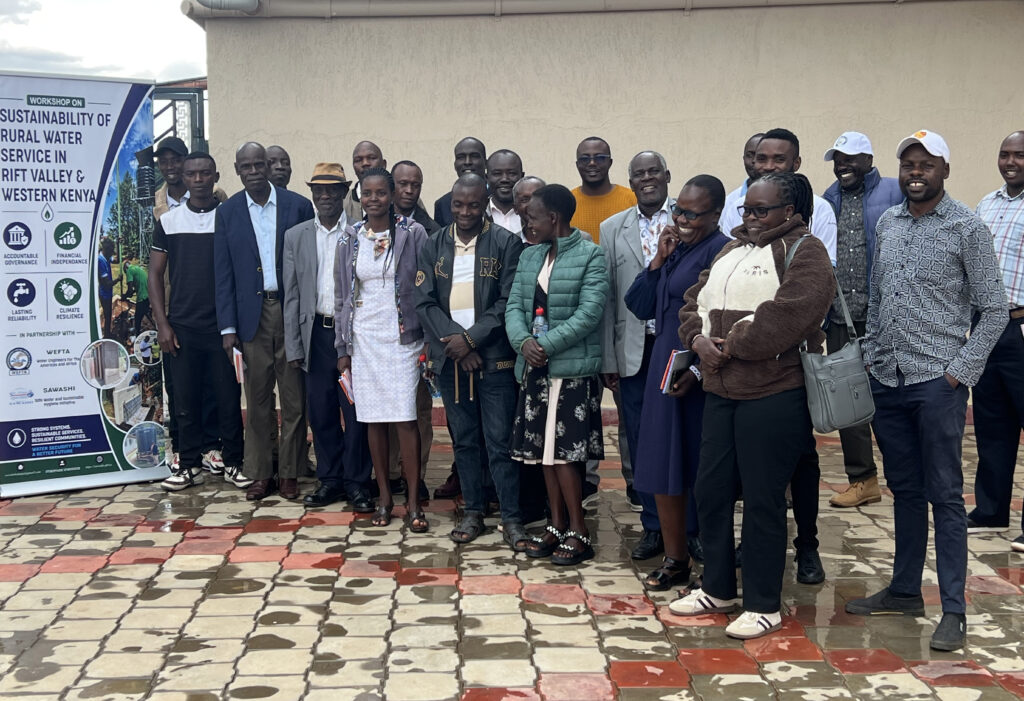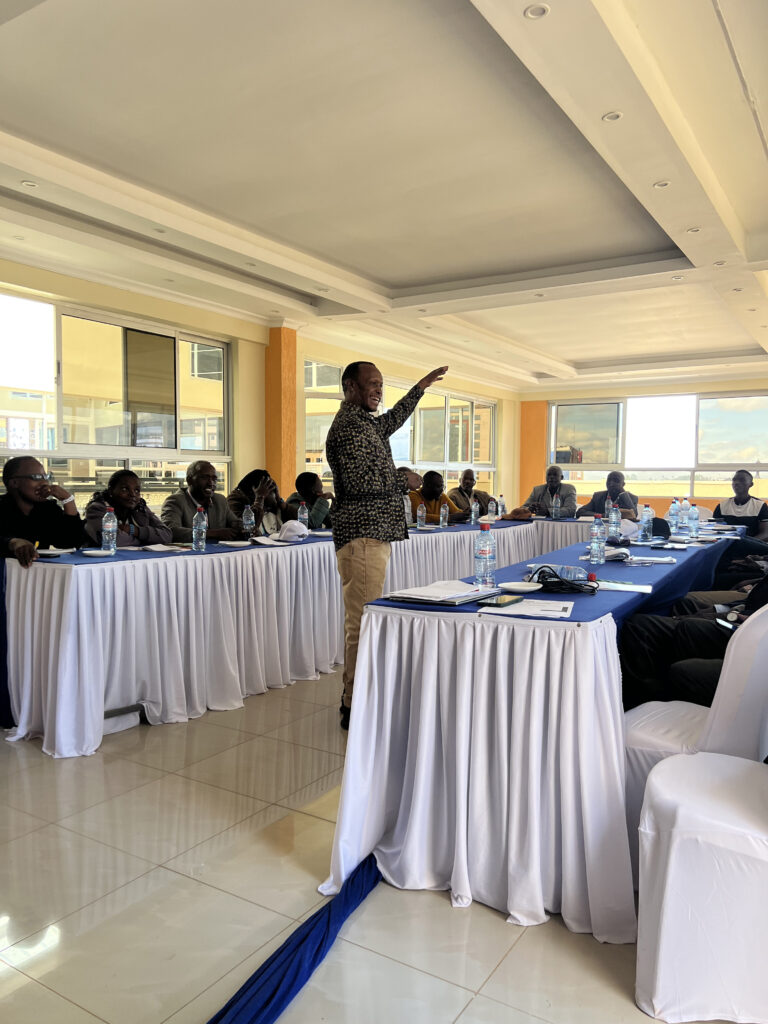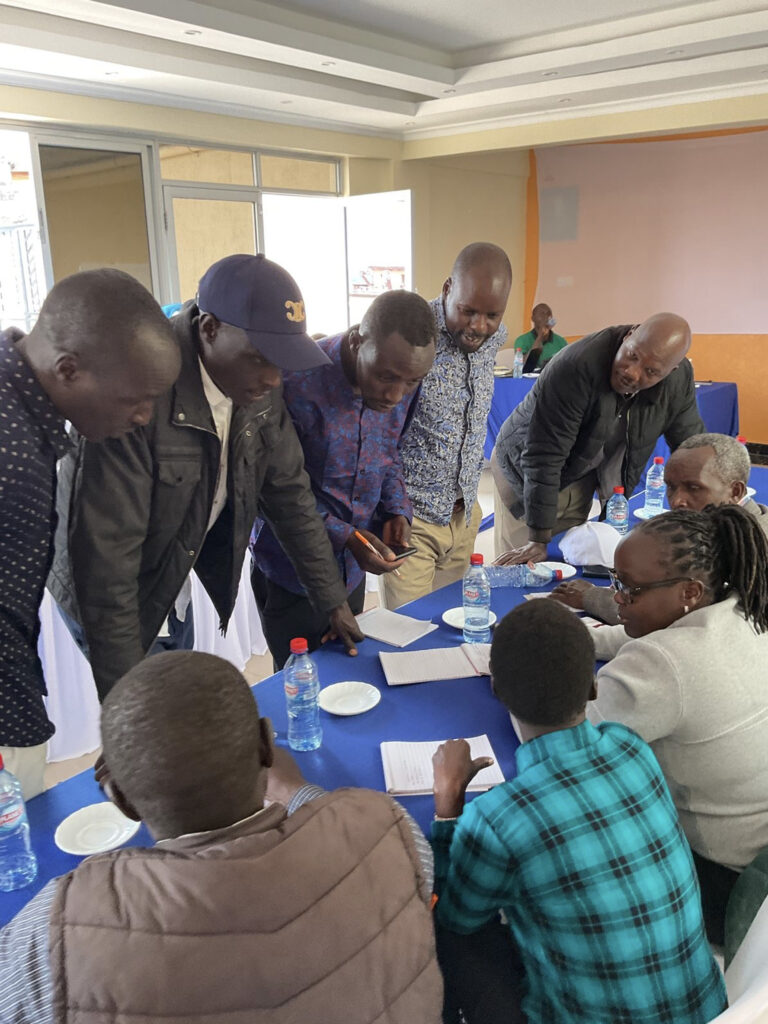
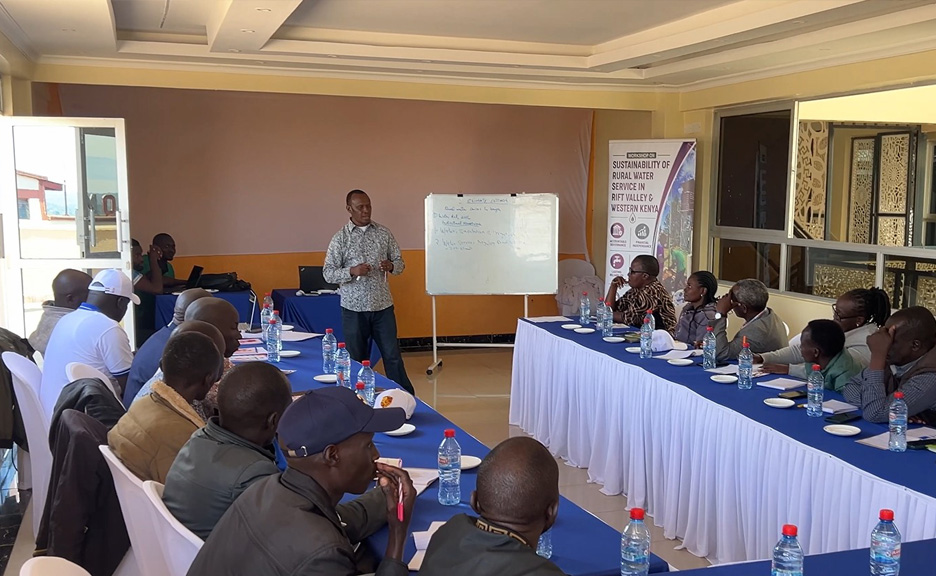
In April 2026, WEFTA, in partnership with SAWASHI (Safe Water & Sustainable Hygiene Initiative) and WEFTA circuit rider, David Kurgat, convened a high-impact capacity-building workshop in Kapsabet Town, Kenya, bringing together Water User Committees, technicians, and public health officers from Nandi and Kakamega counties. The workshop marked an important step forward in shifting rural water systems from infrastructure-focused investments to sustainable, service-oriented delivery.
Across Kenya, many rural water systems struggle not because of lack of infrastructure, but due to gaps in governance, financing, and maintenance. This workshop directly addressed those challenges by equipping participants with practical, field-tested skills in water system management, emphasizing accountability, financial sustainability, and routine operation and maintenance.
Reinforcement of Critical Connections
Participants engaged in a highly interactive and hands-on learning experience, covering key areas such as tariff setting, financial planning, preventive maintenance, and water quality monitoring. The training also reinforced the critical connection between safe water, public health, and climate resilience, particularly the importance of reliable water access in healthcare facilities for infection prevention and quality care.
A central outcome of the workshop was a clear shift in mindset: from building water systems to sustaining reliable water services. Participants developed actionable, region-specific plans tailored to the unique challenges in Nandi and Kakamega counties. These plans prioritize financial sustainability, improved governance, climate resilience, and stronger coordination with county institutions and licensed Water Service Providers.
Ensuring That Progress Continues
To support implementation and long-term impact, participants established County WASH Secretariats and launched the Rift Valley and Western Kenya WASH Resource Hub. These platforms will serve as engines for coordination, peer learning, and accountability—ensuring that progress continues well beyond the workshop.
The training also strengthened collaboration between community-level actors and county governments, laying the groundwork for more responsive and coordinated rural water service delivery. Early outcomes point to improved financial management practices, enhanced technical capacity, and stronger governance structures within Water User Committees.
While the workshop highlighted challenges such as limited training time and the need for broader stakeholder engagement, particularly from the private sector and financial institutions, it also demonstrated a scalable model with strong potential for replication.
A Commitment to Sustainability
With continued investment and follow-up, this approach offers a practical and high-impact pathway to protect existing water infrastructure, reduce system downtime, and expand access to safe, reliable water for underserved communities.
WEFTA and SAWASHI remain committed to advancing sustainable water services that not only deliver infrastructure—but ensure it works, endures, and transforms lives.