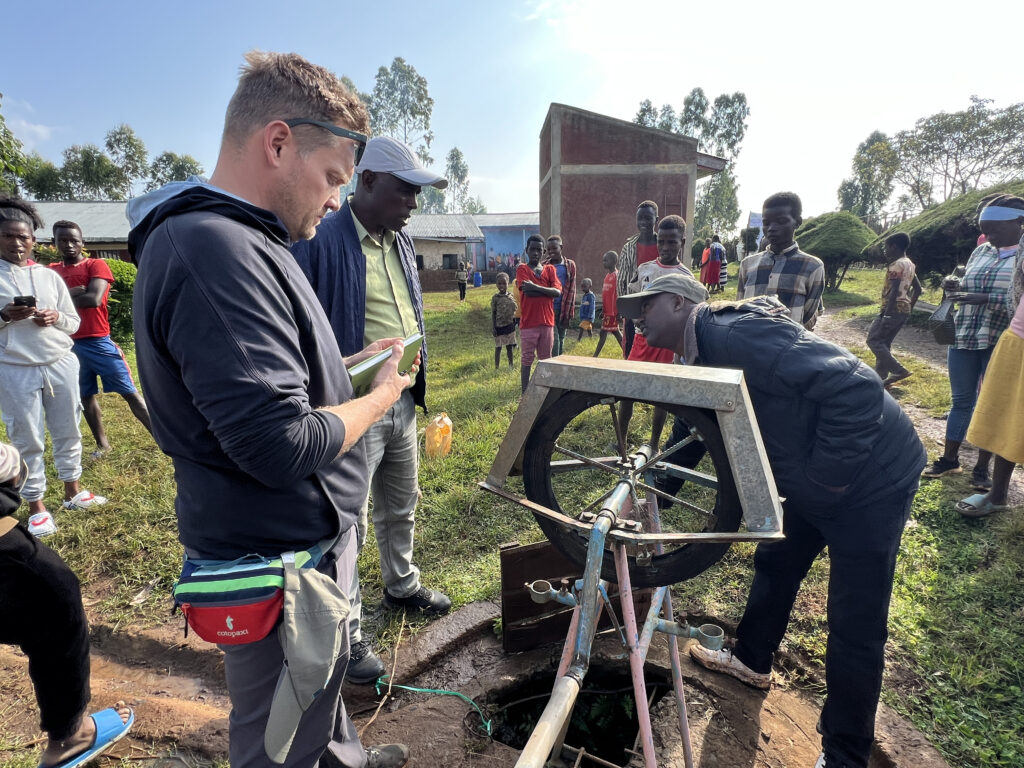
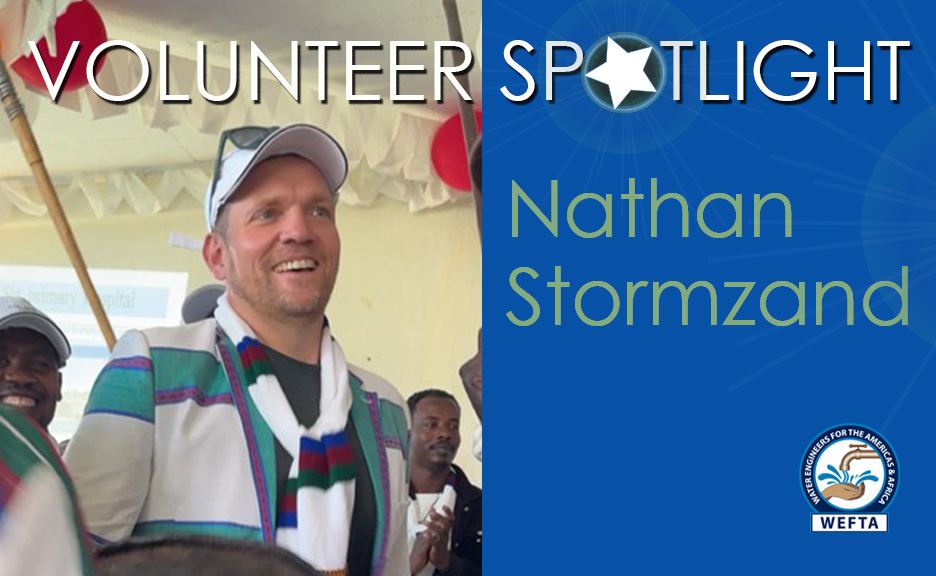
Civil engineer Nathan Stormzand has been volunteering to assist with water and sanitation projects in developing countries since 2008. Having worked with Engineers Without Borders and the Peace Corps, he began offering his services to WEFTA after noticing a call for volunteers in the National Peace Corps Association’s WorldView Magazine.
Contributing in Ways “Meaningful and Beneficial”
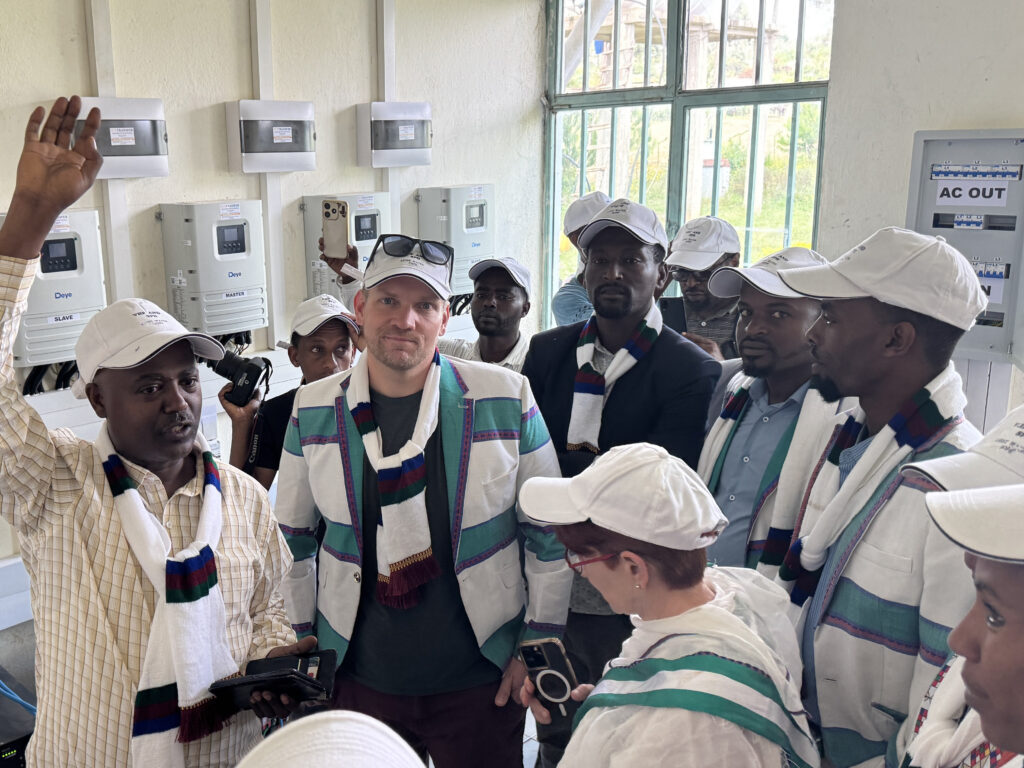
A senior project manager and water resources engineer in Portland, Oregon, Nathan started his WEFTA career in 2024 by working with the non-governmental organization, Sanitation and Water Action in Tanzania. In summer 2025, he travelled to the West Omo Zone in Ethiopia, where WEFTA and the Village Health Partnership (VHP) are collaborating to improve healthcare facilities. Since that assessment trip, Nathan has been coordinating closely with VHP and local technicians.
Nathan’s activities include writing reports, drafting scopes of work and budgets, and providing general coordination to address WASH issues noted at the facilities during the assessment trip. He anticipates continuing these efforts, supporting WEFTA’s other projects in Ethiopia as needed, and traveling on future assessment trips when his schedule allows. Open to new tasks, Nathan emphasizes that he wants to contribute in ways that are “meaningful and beneficial.”
WEFTA: Supporting water and sanitation projects, not controlling them
When asked what makes him want to be a part of the WEFTA mission, Nathan states, “I really like how WEFTA leverages the knowledge and skills of professionals here and abroad, but makes sure that local people, organizations, and agencies are ultimately responsible for the planning, construction, and maintenance of the systems put in place. The idea is that WEFTA is there to support but not control, which I personally feel is very important to this type of work.”
Celebrating the Gift of Water
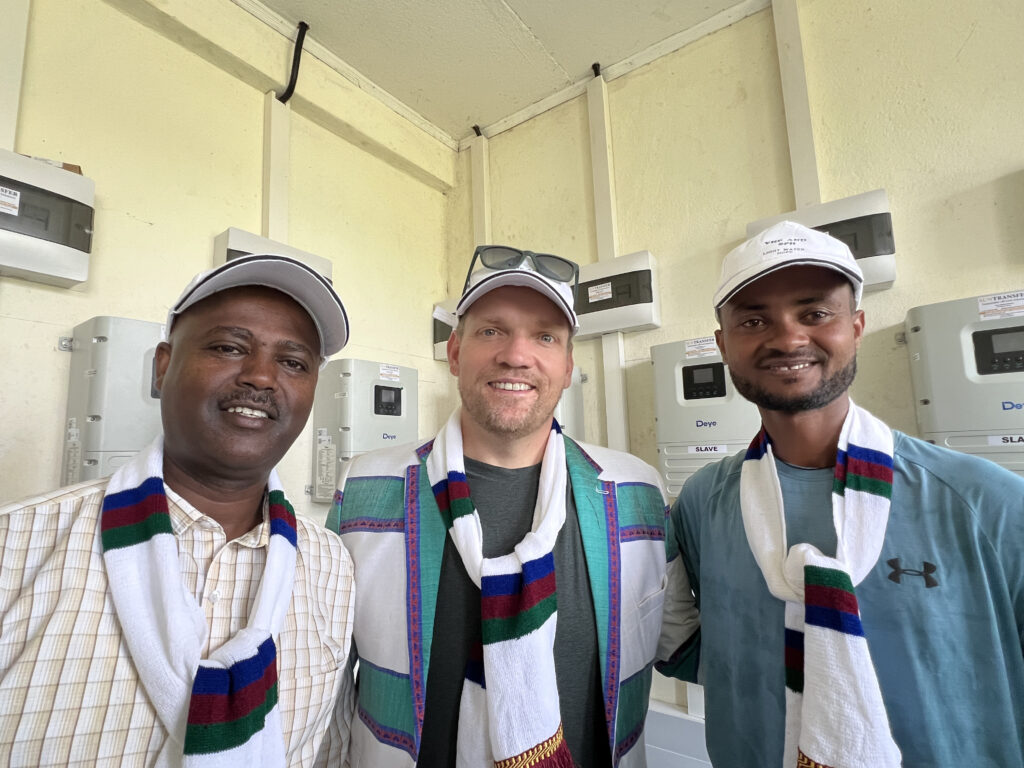
Nathan has fond memories of visiting the Kuju community in Ethiopia’s West Omo Zone. In his own words, “The community water system had literally just come online (and still had plenty of things to complete), but given that water was flowing and we were visiting, they used this opportunity to have a huge celebration. There were ceremonial clothes, gifts of livestock, an entire entertainment program, and a feast that included my first encounter with a platter of raw beef. And then we had to try to complete the assessment on the Kuju health facility while being surrounded and followed by sometimes hundreds of people. It was quite the day!”