Addressing the Gap
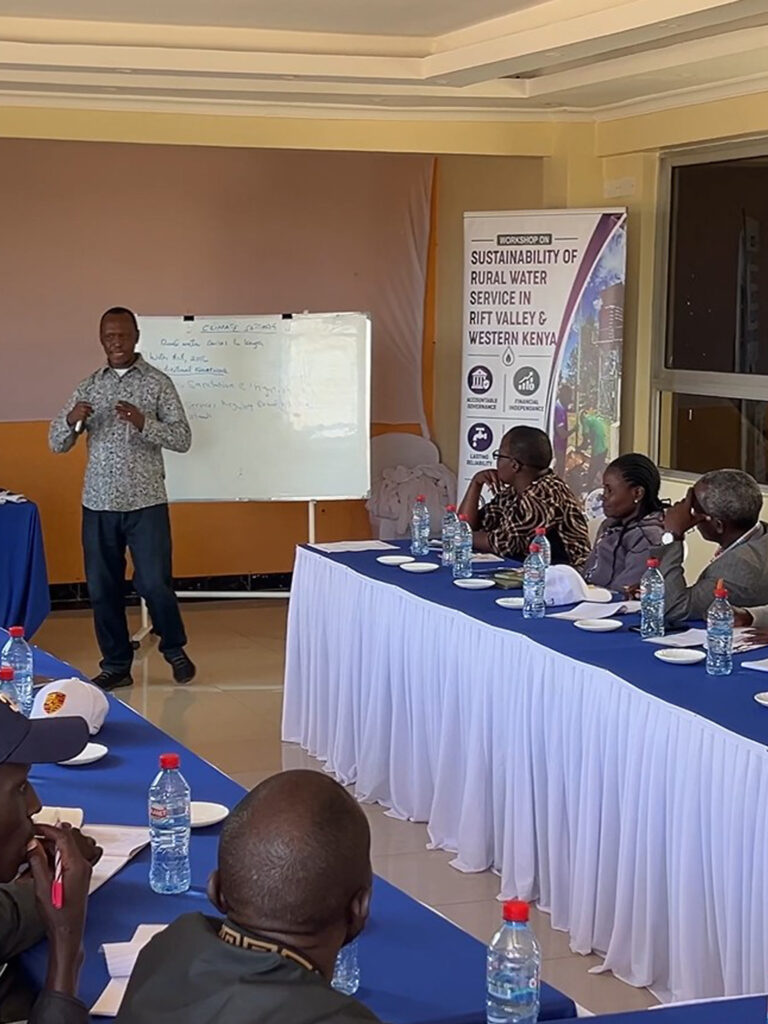
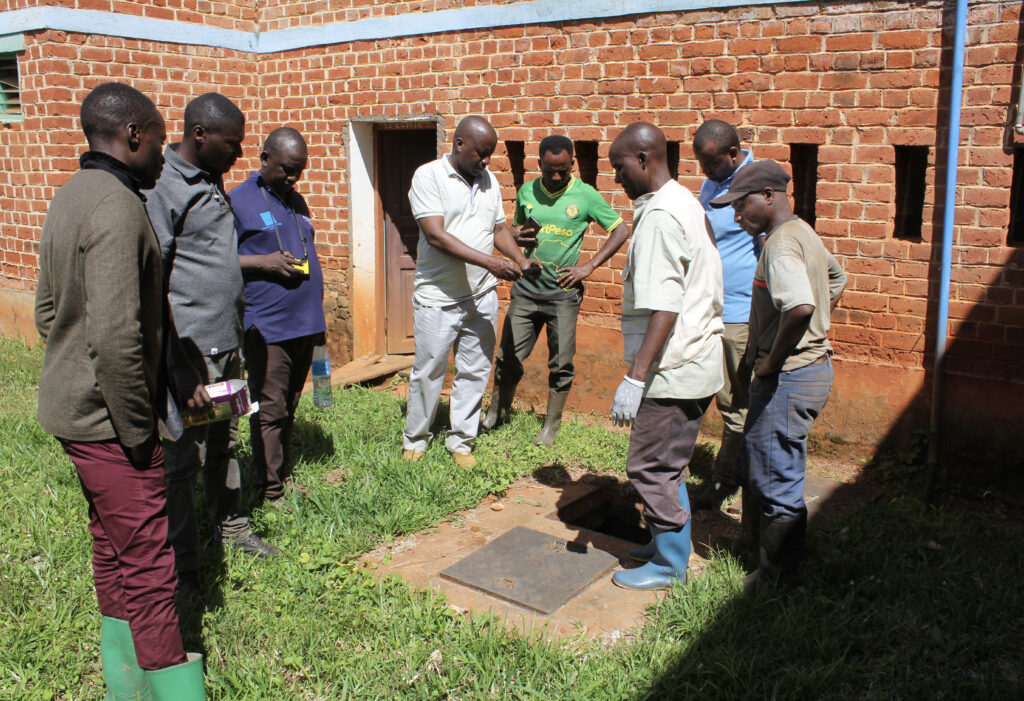
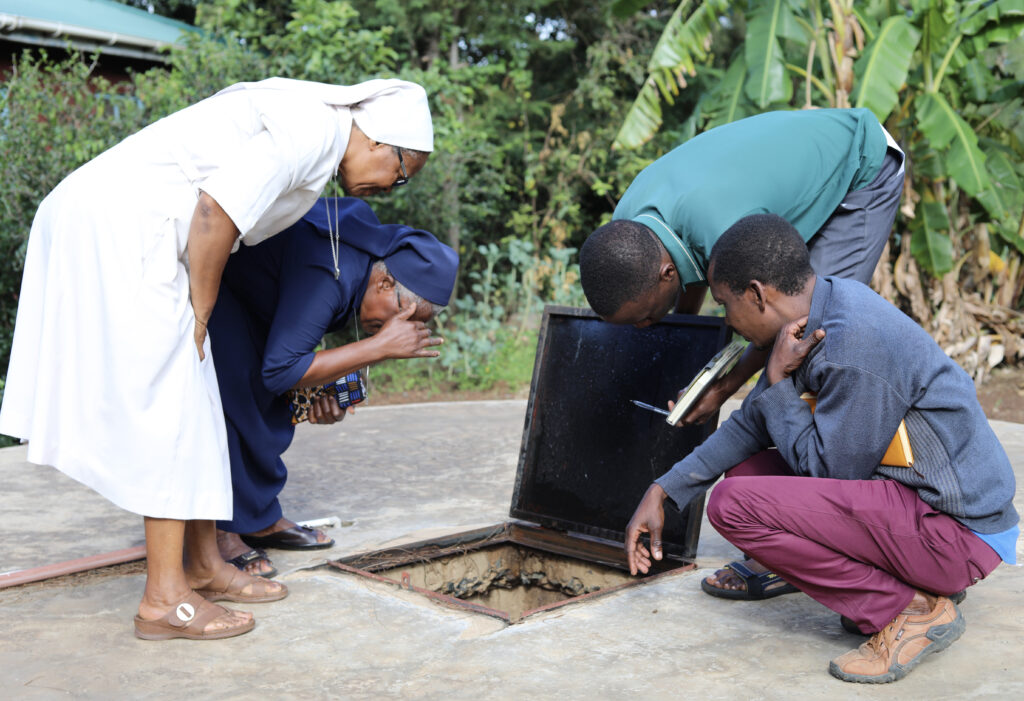
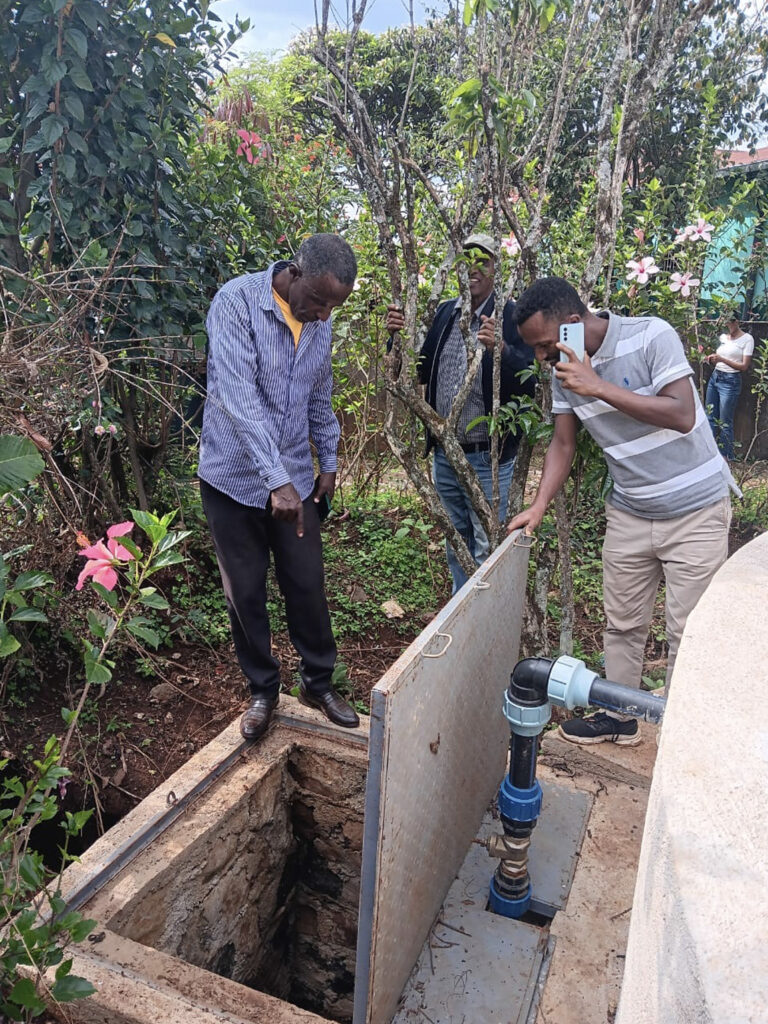
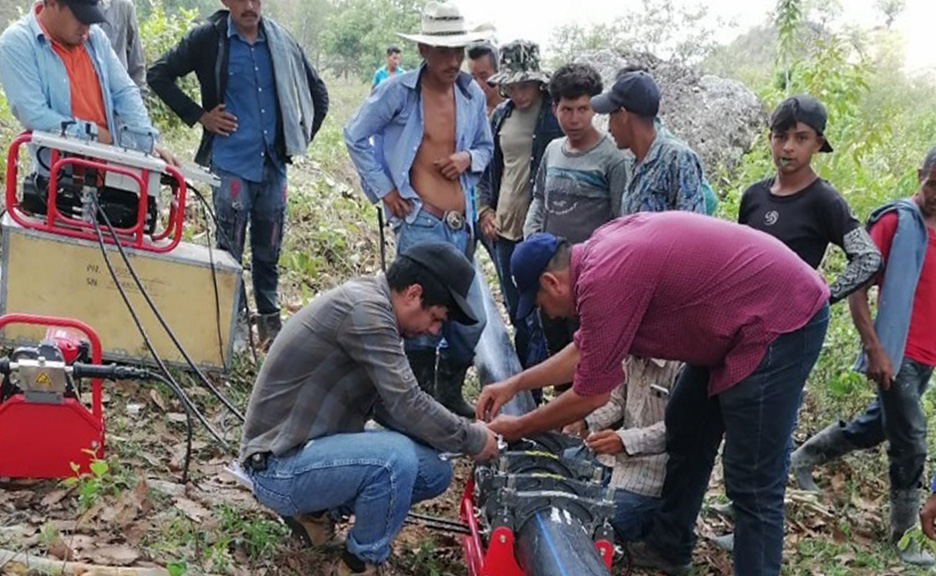
As “roving WASH technicians,” circuit riders are key to ensuring the sustainability of global projects, once constructed. Circuit riders visit completed WASH project sites to monitor operations, solve problems, and provide on-the-job training. Although they make use of manuals, standard operating procedures, training curricula, and digital tools from a variety of sources, circuit riders have not had a set of standardized practical guidance tools developed specifically for them. To address that gap, WEFTA’s Executive Director, Tim Wellman, CWP, is championing a move to create modular[1], field-tested, publicly available, globally adaptable, and easy-to-use resources for circuit riders. A circuit rider himself from 2001 to 2007 for the New Mexico Rural Water Association, Wellman brings valuable experience to this role.
Advancing Best Practices
A Practical Working Group, led by Wellman and convened in February of 2026, is consolidating existing resources and developing new tools to provide circuit riders with actionable, context-specific guidance. The Working Group consists of representatives from non-profit, government, academic, and private organizations. It will serve as a collaborative platform for members to share expertise, co-create resources, and advance best practices for circuit riders. The group will continue to meet virtually, at least monthly, until February of 2027. Members contribute technical input, participate in discussions, and assist in developing outputs. The Water Institute of the University of North Carolina provides coordination, administrative support, and knowledge management.
Streamlining Circuit Rider Activities
Wellman notes that based on evidence from the U.S., Africa and Latin America, the circuit rider model merits strategic investment and policy adoption to ensure no facility, school, or community is left behind in the pursuit of safe, reliable WASH services. Standardized guidance tools will go a long way toward streamlining WASH circuit rider activities. WEFTA looks forward to promoting the products of this fine effort!
[1] “Modular” tools include those for rural systems, health facilities, and institutions.