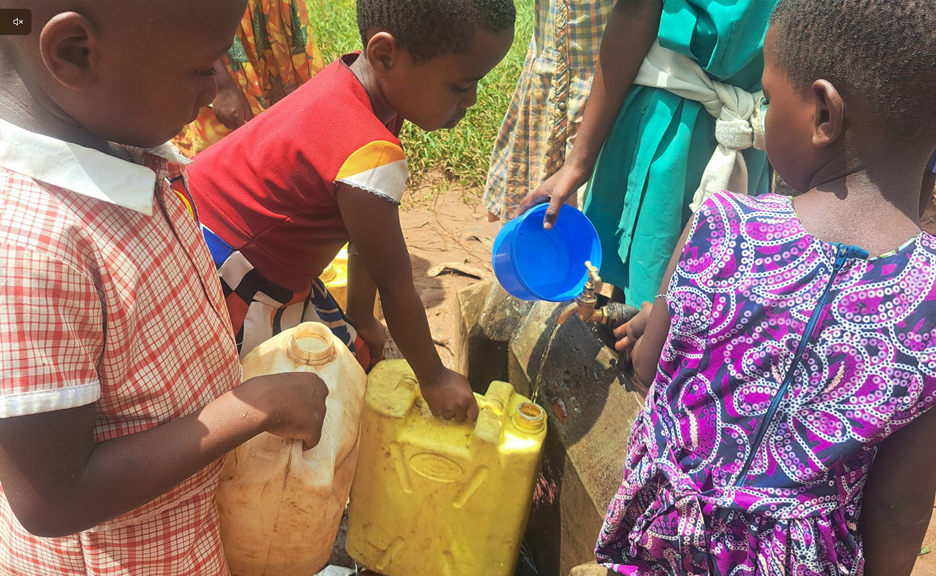
Sustainable WASH services require more than construction alone. Through support from the WEFTA Circuit Rider Program, the Union of Community Development Volunteers (UCDV) recently completed a post-construction follow-up project assessing the long-term functionality and sustainability of previously implemented water, sanitation, and hygiene (WASH) interventions across Uganda.
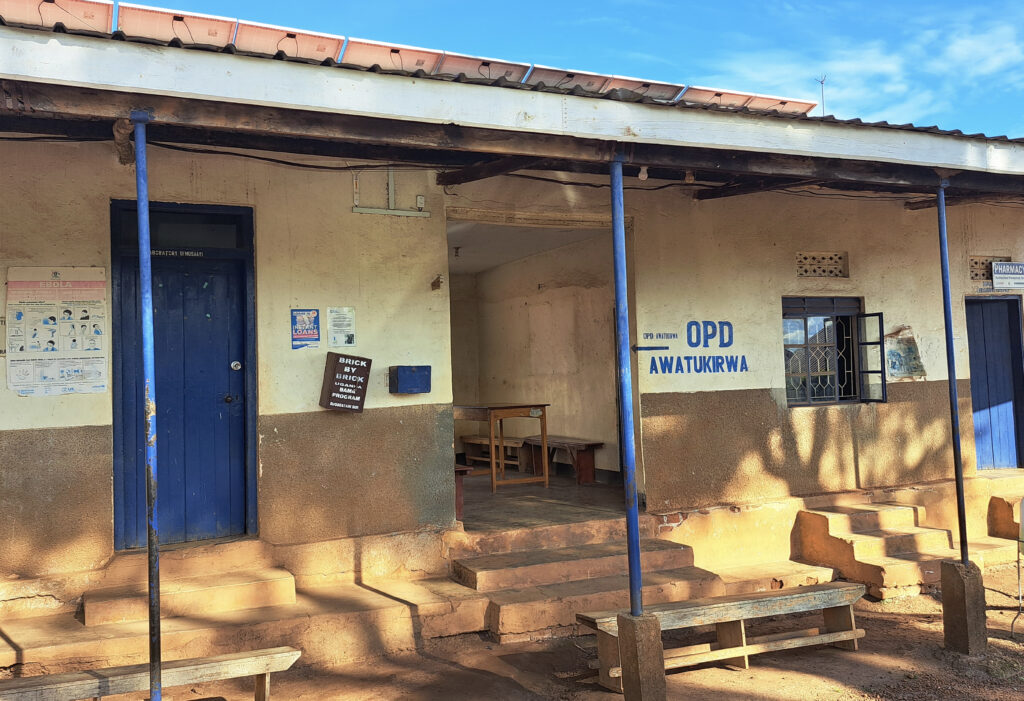
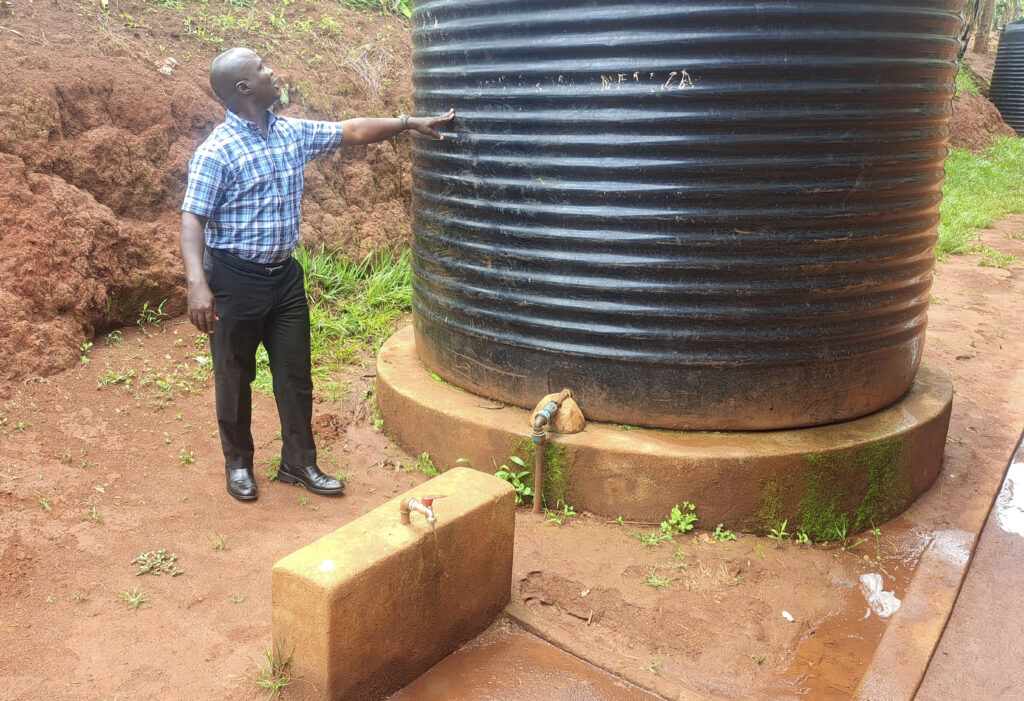
The project focused on healthcare facilities, schools, and community water sources in the Kampala, Masaka, Luwero, and Jinja Dioceses. Through site visits, facility inspections, stakeholder engagement, and operation and maintenance training, the UCDV team evaluated the condition of existing WASH infrastructure and identified actions needed to keep services functioning for years to come.
Ensuring Long-term Sustainability
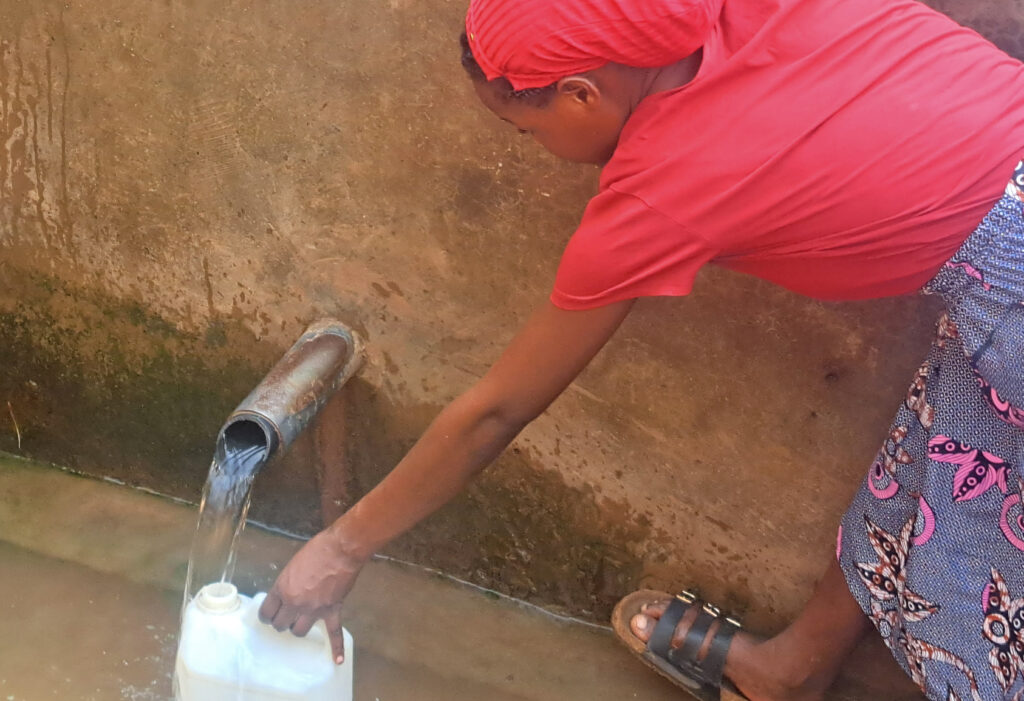
The assessment covered 15 healthcare facilities, 5 schools, and 7 community water sources. Encouragingly, most water systems inspected remain operational and continue serving their intended beneficiaries. The review also identified sanitation and hygiene facilities requiring repairs, rehabilitation, and improved maintenance planning to ensure continued service delivery.
A major focus of the project was strengthening local capacity for operation and maintenance. Healthcare workers, school administrators, community leaders, and Water User Committees participated in discussions on preventive maintenance, infrastructure management, and sustainability planning.
Key Lessons
The project reinforced a key lesson shared throughout the Circuit Rider community: ongoing monitoring and local ownership are essential to protecting WASH investments. Regular follow-up helps identify maintenance needs early, supports informed planning, and ensures that communities continue to benefit from safe water, sanitation, and hygiene services.
UCDV expressed appreciation to WEFTA and the Circuit Rider Program for supporting the initiative and advancing sustainable WASH services in Uganda. The organization also recognized the contributions of healthcare facilities, schools, local governments, and community stakeholders whose participation made the project a success.
As WEFTA continues to support local partners and sustainable WASH solutions, post-construction follow-up remains an important tool for maximizing impact and ensuring that investments continue delivering benefits long after project completion.