Mumias, Kakamega County, Kenya
WEFTA is pleased to share the successful completion of the Trees for Healthy Living Project, a collaborative initiative designed to strengthen climate resilience, food security, and environmental stewardship across the ACK Diocese of Mumias in western Kenya.
Implemented from June–October 2025, the project brought together the Safe Water and Sustainable Hygiene Initiative (SAWASHI), the ACK Diocese of Mumias, and Bio-Innovations for Sustainable Development (BISD), with support from WEFTA. The effort combined faith-based environmental leadership with community-driven action, empowering households, students, and farmers to adopt climate-smart practices rooted in local ownership.
A Partnership for Climate Action and Healthy Living
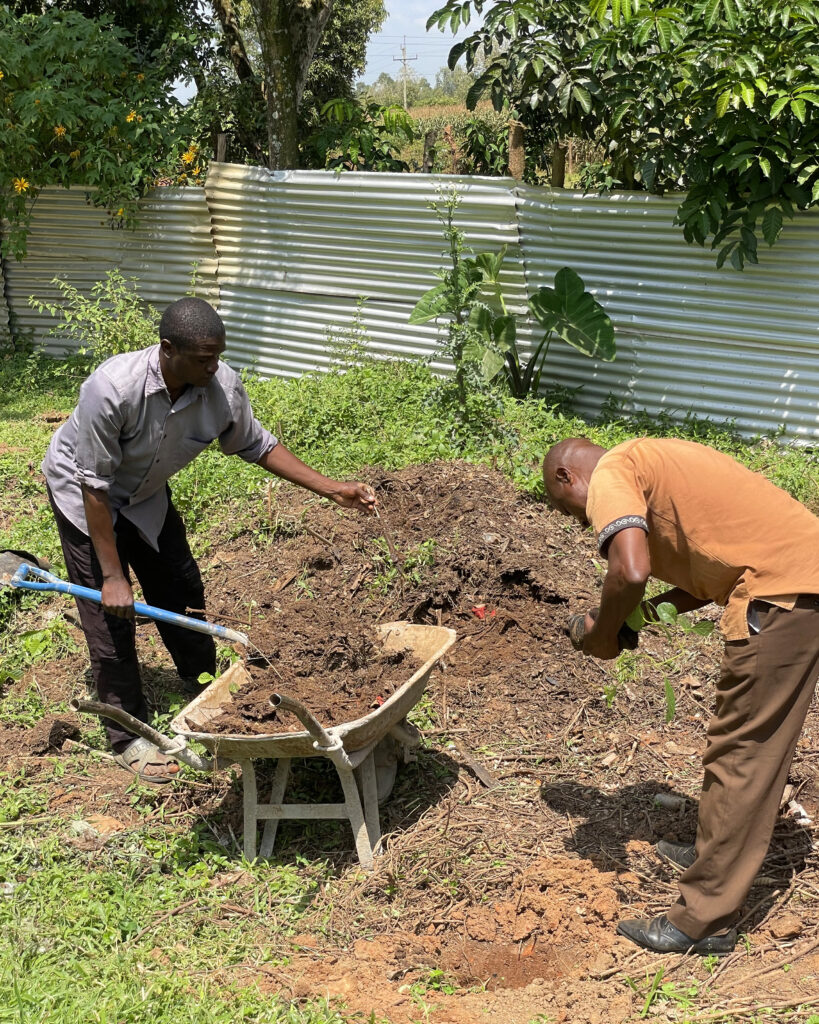
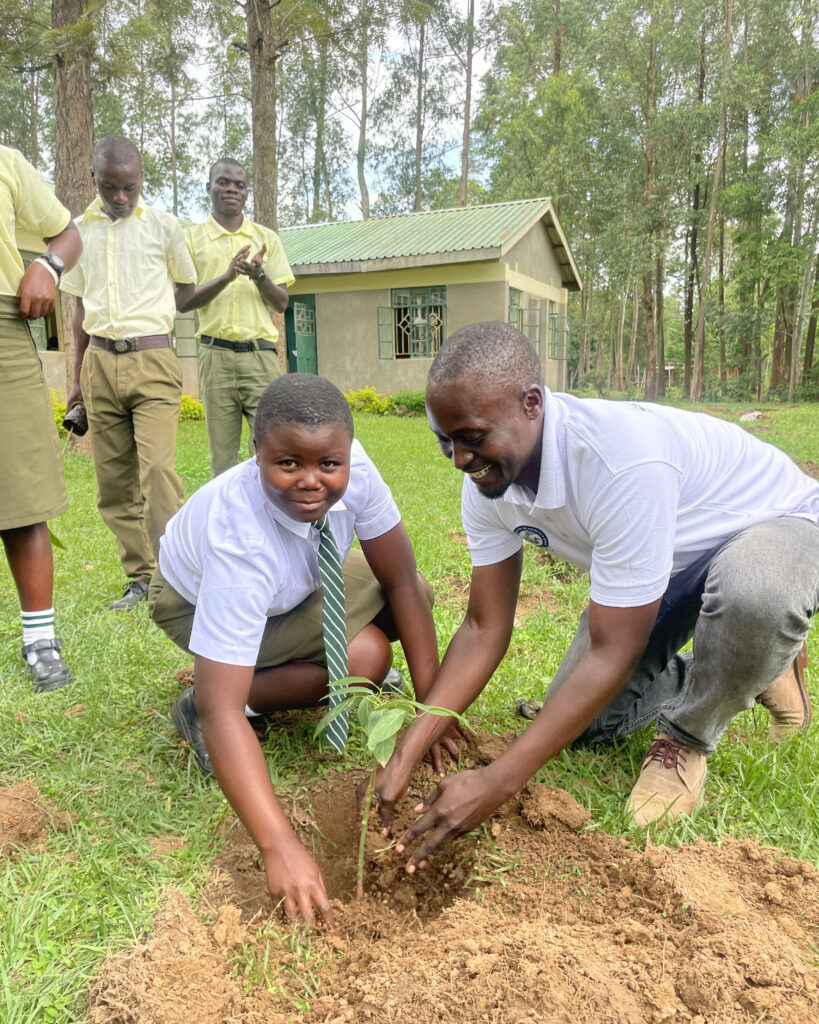
The Diocese launched the initiative with strong support from clergy and congregants, integrating tree planting into its broader “Care for Creation” agenda under the Green Anglican Movement. Working closely with SAWASHI and BISD, the project focused on establishing model orchards and training sites at the Cathedral headquarters, St. Stephen Mungakha Secondary School, and selected community farms.
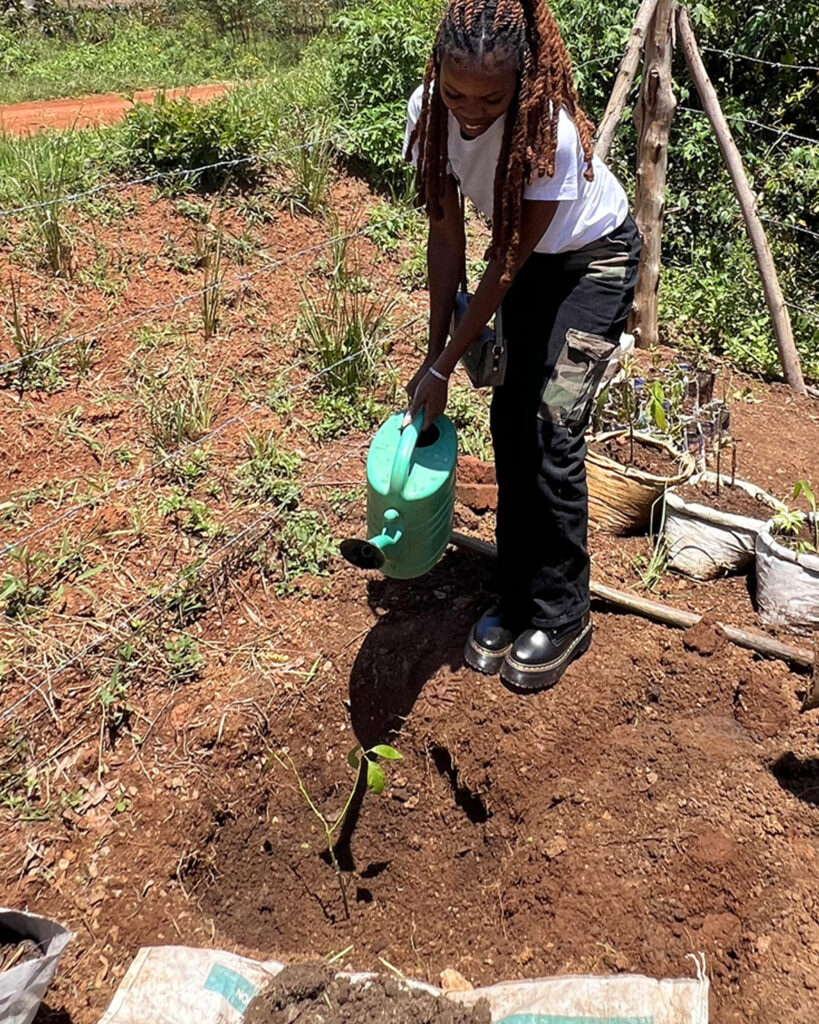
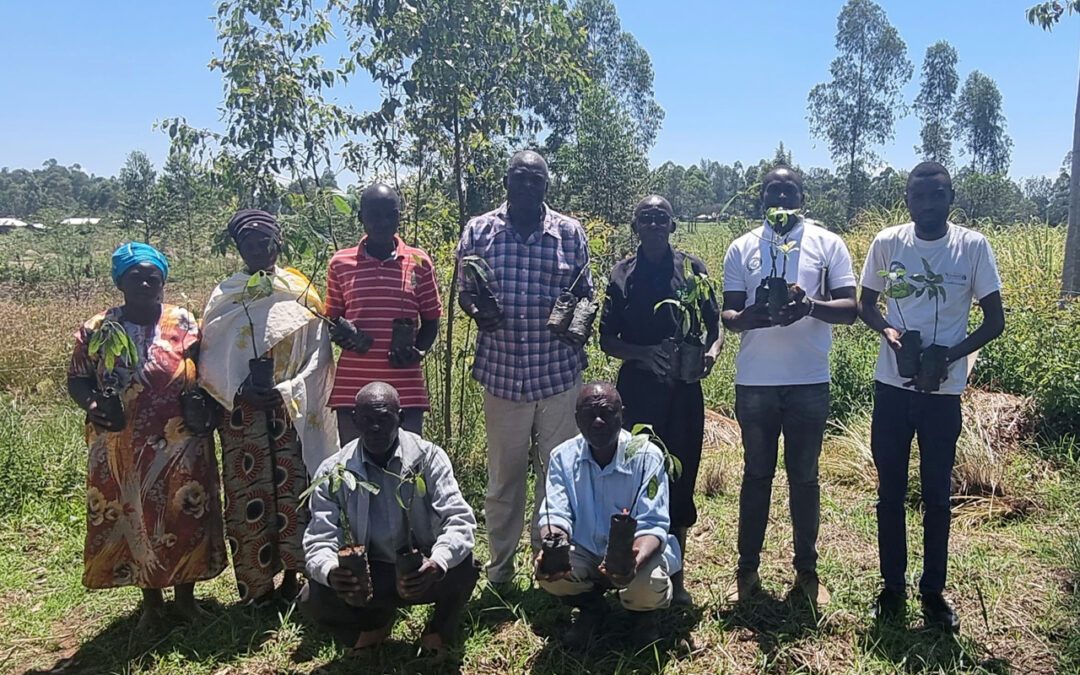
Together, the partners planted 1,000 Hass avocado trees and 250 indigenous trees, contributing to Kenya’s national 15-billion-tree campaign and supporting watershed restoration in the Mayoni area. Three months after planting, sites reported an encouraging 80% survival rate, attributed to strong community engagement and hands-on technical support.
Capacity Building and Local Leadership at the Core
Recognizing that tree planting must be backed by skills and long-term care, BISD resource persons provided practical training on planting, grafting, soil care, pest control, and orchard management. Students in the Environmental Club at St. Stephen Mungakha Secondary School helped establish a learning orchard, demonstrating the powerful role of youth in climate action.
Farmers who received seedlings and training have already begun adopting improved land-use and soil conservation practices, contributing to healthier ecosystems and stronger watershed protection.
Growing Food Security and Future Livelihoods
Though the Hass avocado trees are still young, the project has laid the foundation for improved nutrition and future income generation. As the orchards mature, households will benefit from nutrient-rich fruit and new market opportunities within Kenya’s growing avocado sector. Plans to establish a community-managed tree nursery promise to strengthen seedling availability, expand environmental outreach, and create additional livelihood opportunities.
Looking Ahead
Building on the success of this initiative, SAWASHI and BISD plan to extend tree-planting efforts to more schools, parishes, and farmer groups across Kakamega County. Key priorities include strengthening youth-led Green Clubs, deepening community training, establishing market linkages, and integrating tree-based solutions into upcoming WASH and climate resilience programs.
The Trees for Healthy Living Project demonstrates how small, community-driven initiatives—anchored in partnership, faith, and local leadership—can transform landscapes, revive livelihoods, and build a healthier, climate-resilient future for communities in western Kenya.