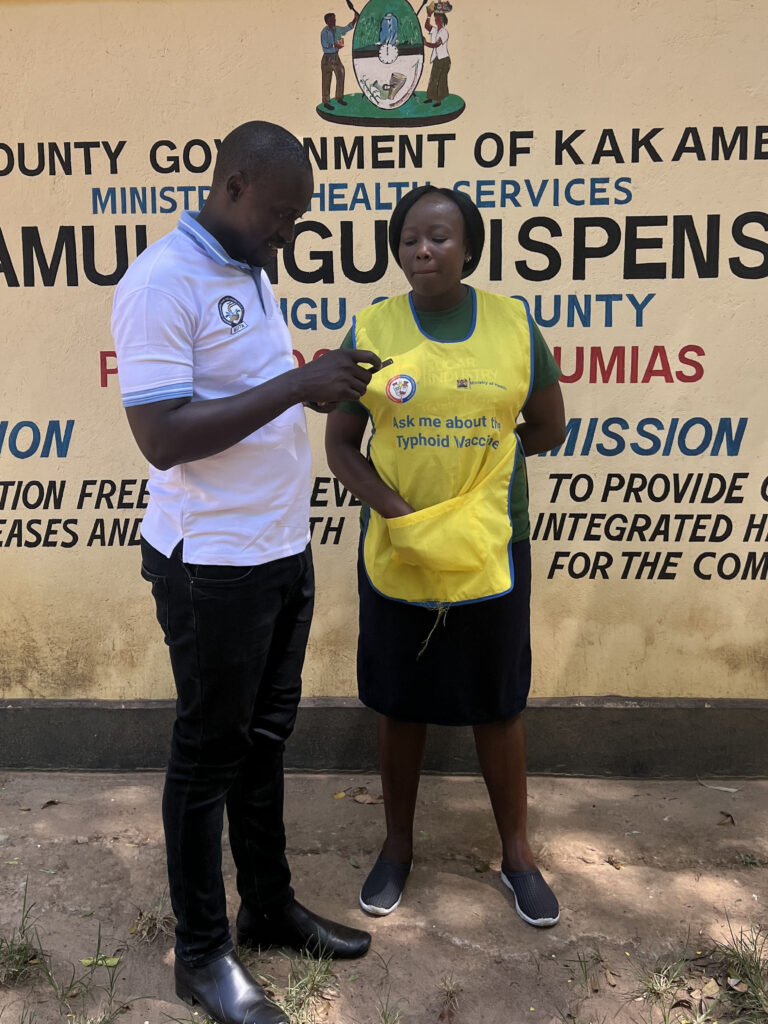
WEFTA is pleased to share the launch and baseline findings of the Circuit Riding Pilot Initiative to strengthen water, sanitation, and hygiene services in healthcare facilities and surrounding communities in Matungu Sub-County, Kakamega County, Kenya. The program is being implemented by SAWASHI with support from Water Engineers for the Americas and Africa (WEFTA) in collaboration with the Ministry of Health, the Kakamega County Department of Water and Sanitation, and the Catholic Diocese of Kakamega.
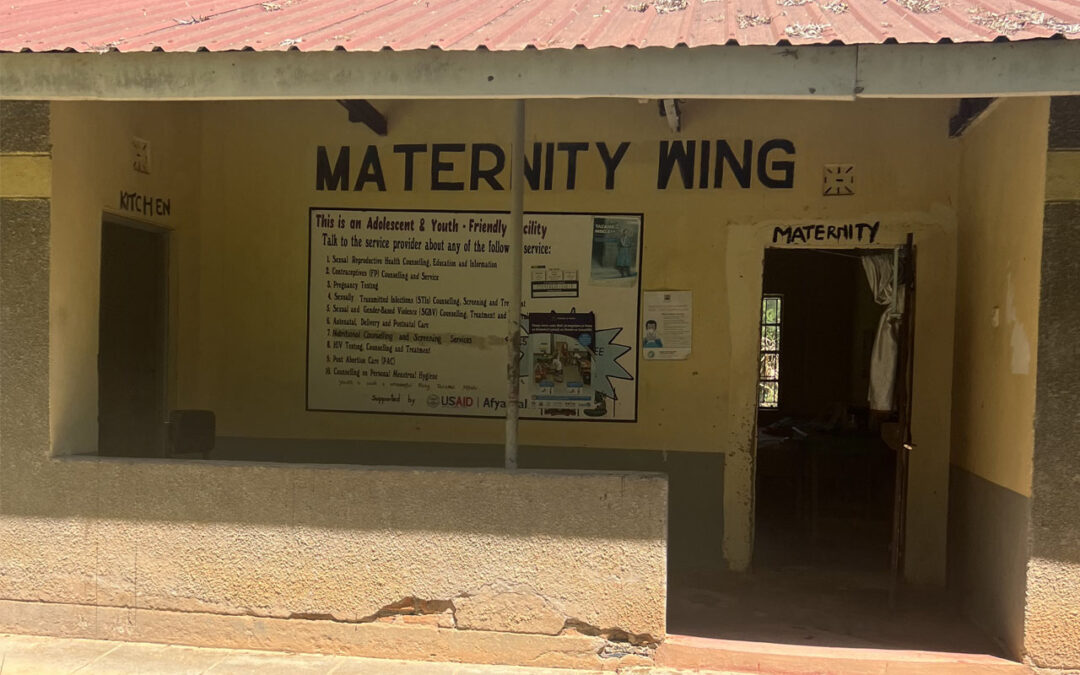
The Circuit Riding model responds to persistent WASH gaps that continue to undermine infection prevention and control, safe maternity services, and community health in rural western Kenya. While water infrastructure exists across many health facilities, schools, and community sites in Matungu, functionality remains inconsistent. Solar-powered systems frequently experience downtime. Handpumps remain unrepaired for extended periods. Water storage and internal reticulation are often absent in health centers, and handwashing infrastructure is inadequate. In maternity wards especially, the lack of continuous running water directly compromises safe delivery and newborn care.
Sustainability Requires Consistency
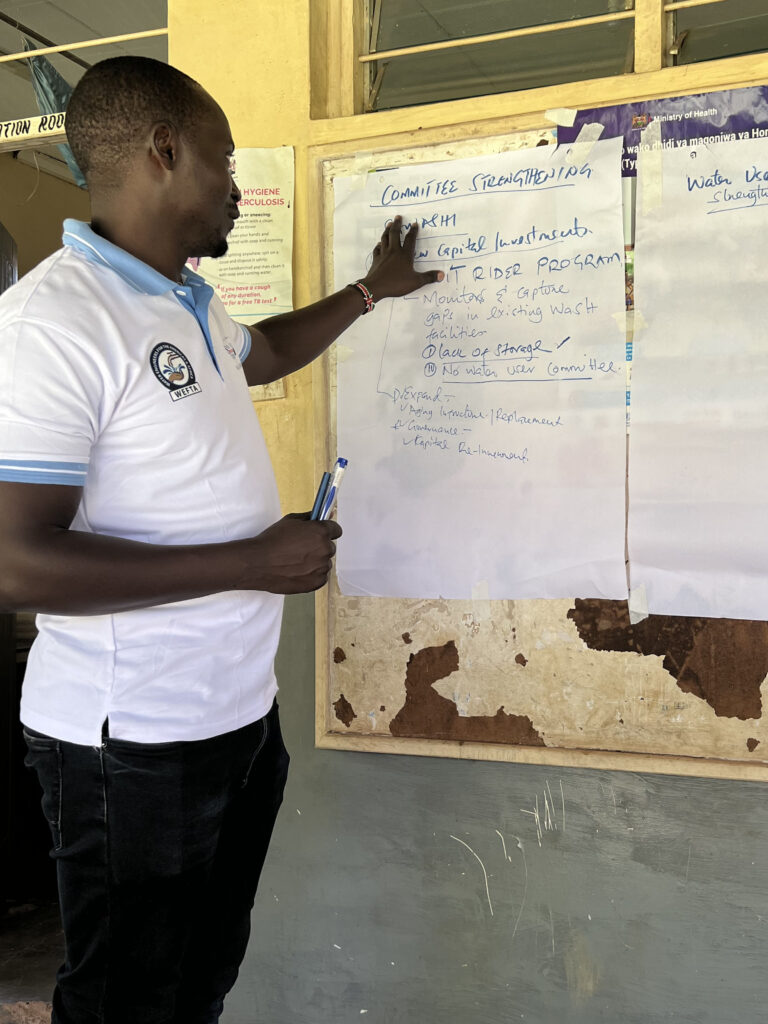
The baseline assessment confirmed that these breakdowns are driven less by technology and more by weak institutional systems. Water User Committees are often inactive or conflicted, tariff collection mechanisms are limited, preventive maintenance is rarely practiced, and financial management structures are weak. Where governance structures function effectively, infrastructure reliability improves significantly. This finding reinforces the core principle of Circuit Riding: sustainable WASH services require consistent technical support paired with strong local management.
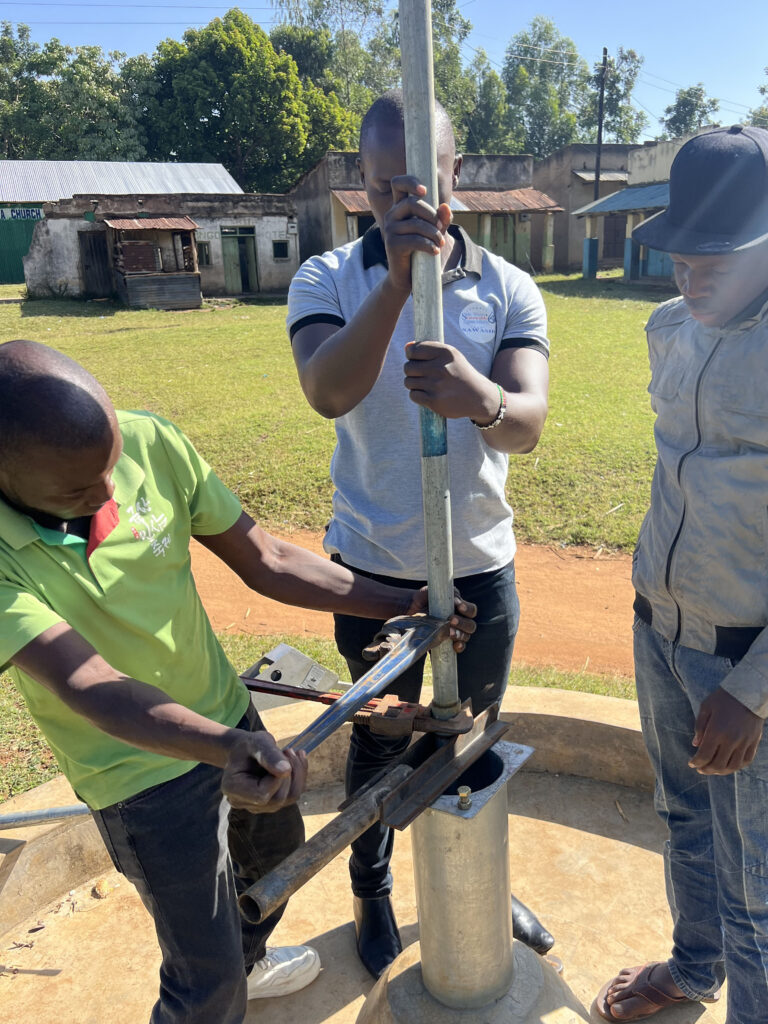
Under the pilot, trained circuit riders provide scheduled site visits, minor repairs, technical mentorship, and real-time troubleshooting support to healthcare facilities and community water systems. Immediate actions focus on restoring non-functional water points, replacing damaged fittings, improving handwashing access in clinical areas, and ensuring that essential services can operate safely. At the same time, committees and facility staff receive structured training in governance, tariff setting, bookkeeping, preventive maintenance, and fault reporting.
Increasing Reliability
Beyond repairs, the initiative strengthens systems within healthcare facilities by improving water storage capacity, extending internal reticulation to maternity and outpatient areas, rehabilitating vulnerable springs, and introducing simple preventive maintenance schedules to reduce recurring breakdowns. By shifting from reactive emergency repairs to routine preventive care, the Circuit Riding approach increases reliability while building local ownership.
Monitoring and adaptive learning are central to the initiative. Baseline data now provides a benchmark for tracking improvements in system functionality, access to running water in critical service areas, availability and use of handwashing facilities, and committee performance. Regular coordination with county authorities and facility leadership ensures alignment with local WASH and health priorities.
The Circuit Riding Pilot Initiative positions healthcare facilities as anchors for improved WASH governance and community health. By combining ongoing technical accompaniment with institutional strengthening, the model offers a practical and scalable pathway for achieving reliable, sustainable WASH services in Kakamega County and similar rural contexts.