Immaculate Heart Sisters of Africa Water, Sanitation, and Hygiene Initiative
Requesting $447,367 from our donors
Challenge Grant Available: $80,000 Matching Funds
Total Project Cost: $545,532
Project Location: Kitenga, Baraki, and Makoko of the Mara Region in Tanzania
Project & Program Background
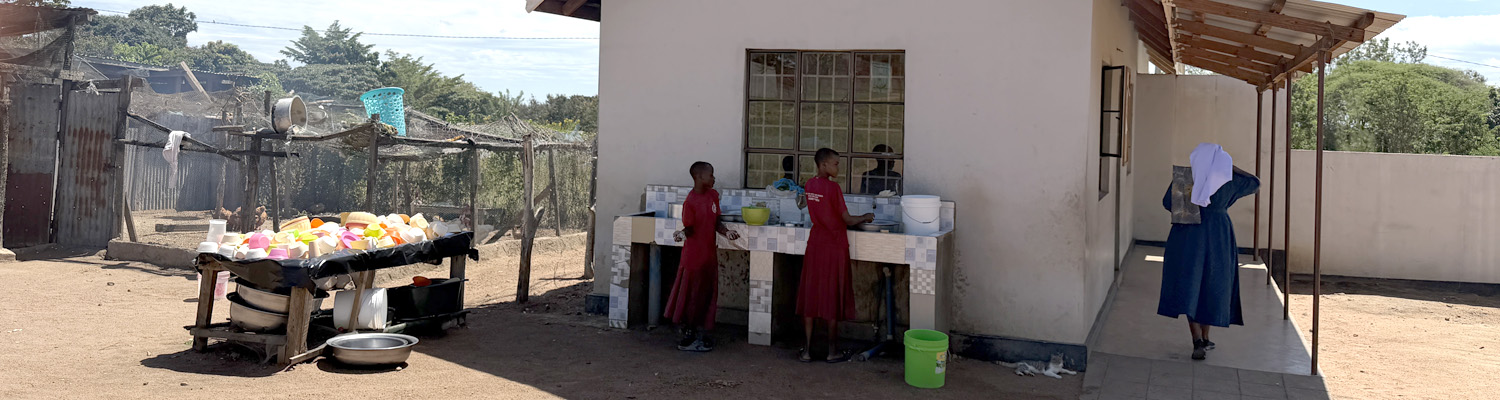
The Immaculate Heart Sisters of Africa (IHSA) operate a network of ministries in the Mara Region of Tanzania, including Kitenga Girls Secondary School, Kitenga Health Center, Baraki Health Center, St. Consolata Pre- and Primary School, formation programs for young women entering religious life, and St. Justin’s Center for Children with Disabilities in Makoko. These institutions serve thousands of students, patients, sisters, families, and community members annually while facing significant challenges related to reliable water supply, sanitation infrastructure, and hygiene services.
In 2026, WEFTA supported comprehensive engineering and hydrogeological assessments at the three IHSA campuses. The assessments identified critical investments needed to ensure reliable water access, improve sanitation systems, strengthen healthcare delivery, and support educational and disability services throughout the region.
Community Background
The project serves diverse vulnerable populations across three campuses:
- Students attending Kitenga Girls Secondary School and St. Consolata School.
- Patients and families served by Kitenga and Baraki Health Centers.
- Sisters in formation and elderly sisters residing in IHSA communities.
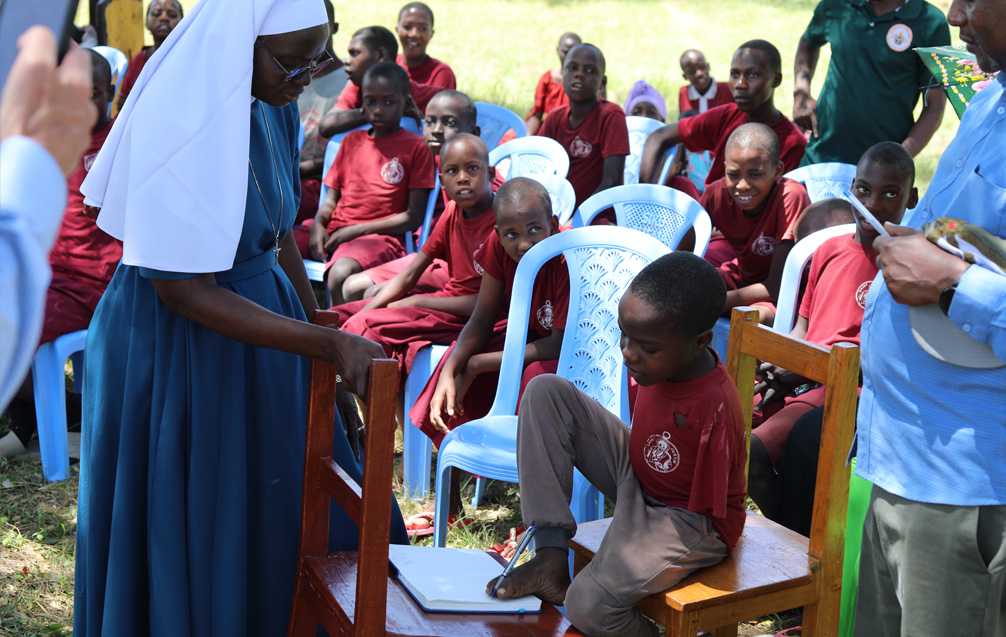
- More than 100 residential children with disabilities receiving care and education through St. Justin’s Center in Makoko.
- Surrounding communities that rely on these institutions for healthcare, education, employment, and social services.
Water, Sanitation and Health (WASH) Concerns
Engineering assessments identified several critical needs across the three facilities:
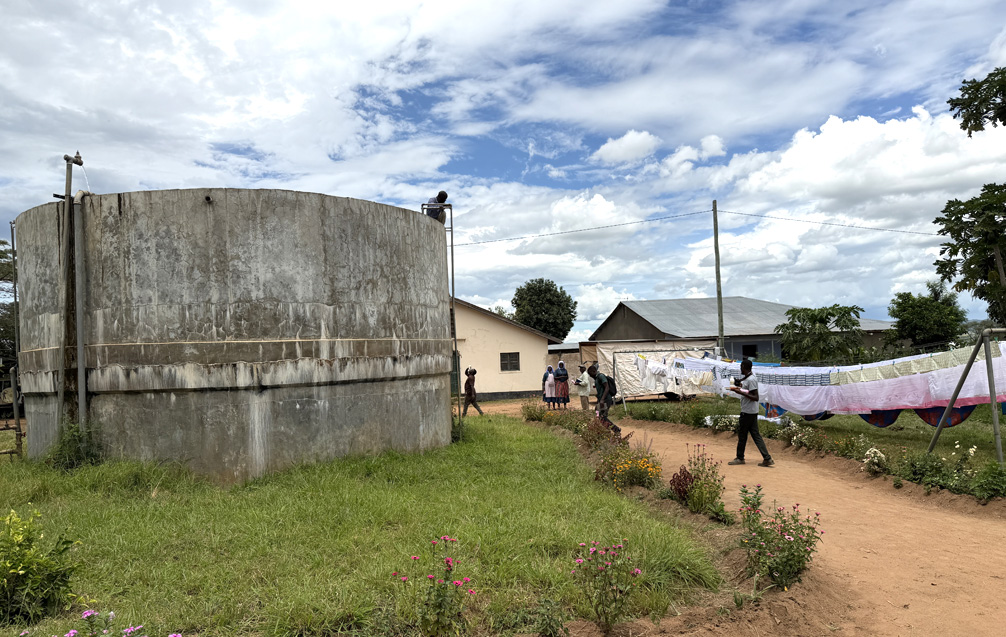
- Insufficient water supply and storage capacity.
- Reliance on saline or low-yield water sources.
- Inadequate sanitation and wastewater management systems.
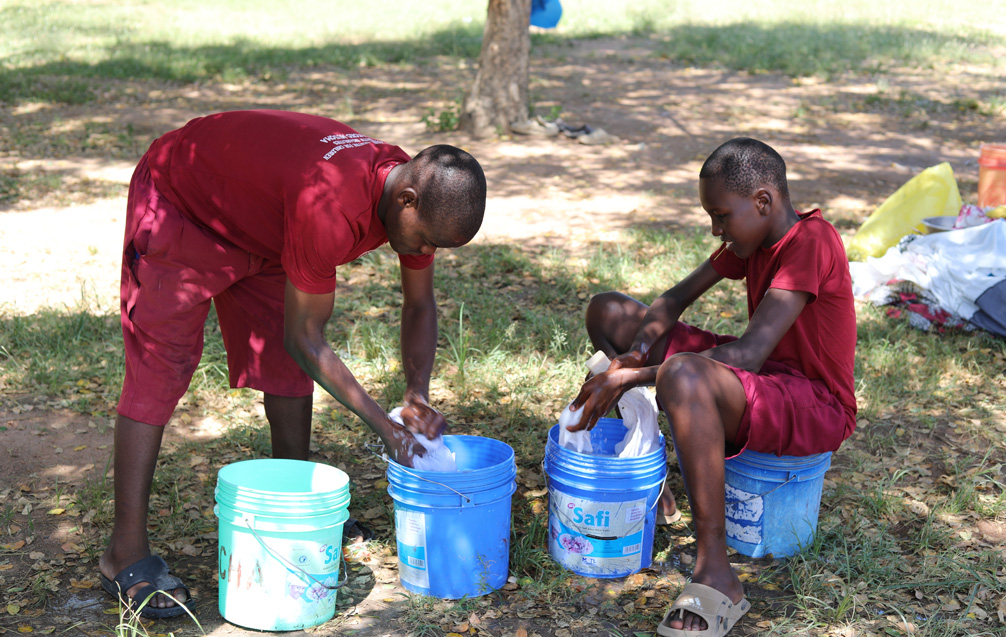
- Limited handwashing and infection prevention infrastructure in healthcare facilities.
- Water shortages affecting schools, maternal health services, disability care, and daily operations.
These challenges directly impact health outcomes, educational opportunities, disability services, and the long-term sustainability of IHSA ministries.
Proposed Projects
-
The project will provide comprehensive water, sanitation, and hygiene improvements across Kitenga, Baraki, and Makoko, including:
- New deep boreholes and pumping systems.
- Solar-powered water infrastructure.
- New storage tanks and expanded water distribution networks.
- Rainwater harvesting improvements.
- Sanitation and wastewater management upgrades.
- Infection prevention and hygiene infrastructure at healthcare facilities.
- Water and sanitation improvements for schools, dormitories, convents, and St. Justin’s Center for Children with Disabilities.
Challenge Grant Opportunity
WEFTA has already secured funding for the Makoko borehole drilling contract ($28,165), and a lead donor has committed an additional $80,000 challenge grant toward the overall initiative.
This early investment demonstrates strong momentum and reduces the remaining need to $437,367. WEFTA is seeking additional donors and funding partners to leverage this challenge grant and complete the full IHSA Water, Sanitation & Health Initiative across all three sites.
Every contribution helps unlock matching support while advancing a comprehensive project that strengthens education, healthcare, disability services, and community development throughout the Mara Region.
Sustainability Considerations
The project is designed for long-term sustainability through:
- Solar-powered pumping systems that reduce operational costs.
- Training of local operators and maintenance personnel.
- Community-led management and oversight.
- Water quality monitoring and system maintenance plans.
- Existing institutional leadership provided by the Immaculate Heart Sisters of Africa.
Community Engagement
IHSA leadership, school administrators, healthcare staff, sisters, and community stakeholders participated directly in the assessment process and identification of priorities. Local participation will continue throughout construction, commissioning, training, and long-term operation of the systems.
WEFTA Volunteer Involvement
WEFTA volunteers and technical partners will provide support through:
- Engineering review and project oversight.
- Technical guidance during implementation.
- Contractor coordination and quality assurance.
- Capacity building and maintenance training.
- Long-term monitoring and partnership support.
WEFTA’s involvement helps ensure that investments are technically sound, environmentally sustainable, and designed to maximize long-term impact for the communities served by the Immaculate Heart Sisters of Africa.
If you would like additional information about this project, please contact us.
Donate NOW to the IHSA WASH Initiative

above 70% in the indigenous areas of Panama, known as comarcas.
low levels of access to basic resourcessuch as adequate clean water and sanitation.
Our commitment is to the long-term successof the projects we’re involved with and it doesn’t stop when construction is complete.