In March 2026, WEFTA returned to Panama’s remote Ñokribo region to assess rural water systems originally developed through local partnerships and Peace Corps support. Working alongside community water committees, the team evaluated nine systems across seven communities and identified priorities for rehabilitation.
Repairing and Strengthening Water Infrastructure
The assessments revealed both successes and challenges. While several communities had maintained their systems well, others faced infrastructure damage, aging equipment, and reduced access to reliable water. Following consultations with local leaders, WEFTA invited water committees to submit requests outlining their most urgent needs.
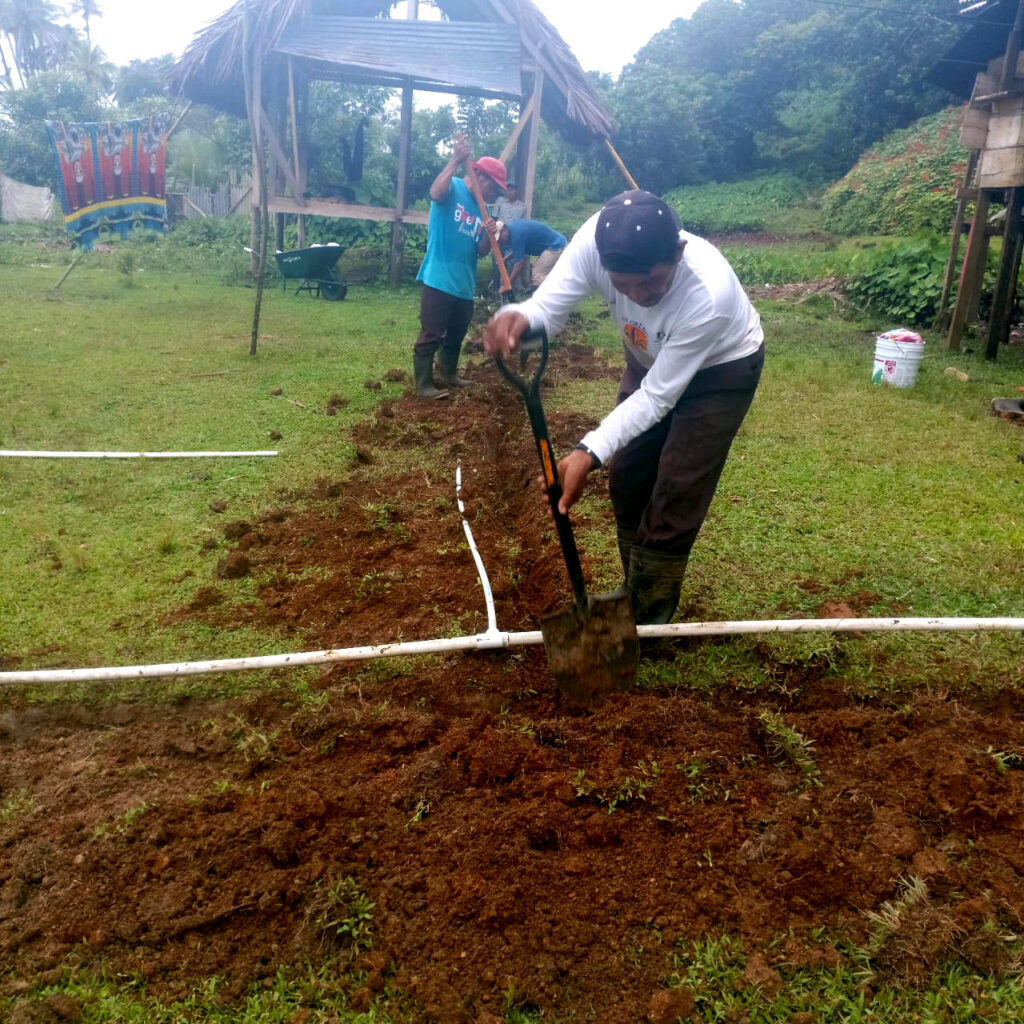
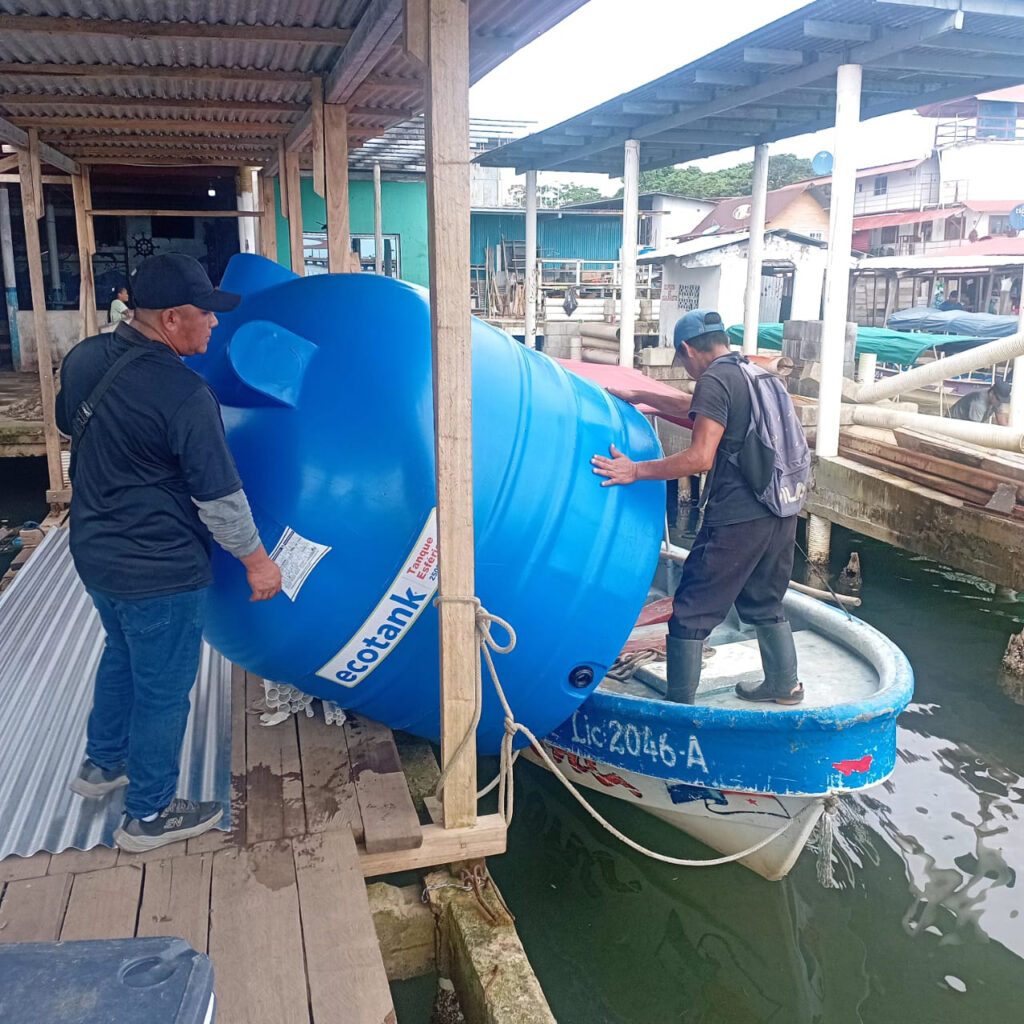
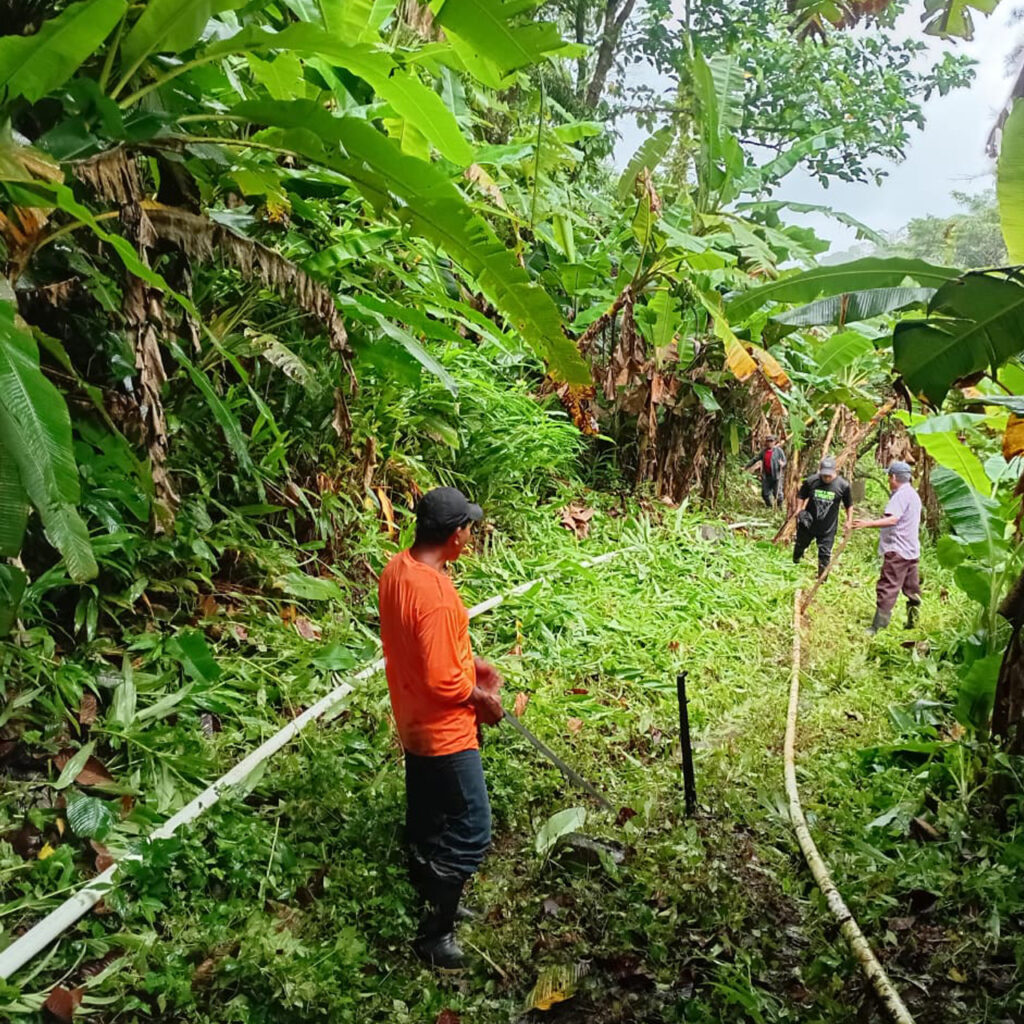
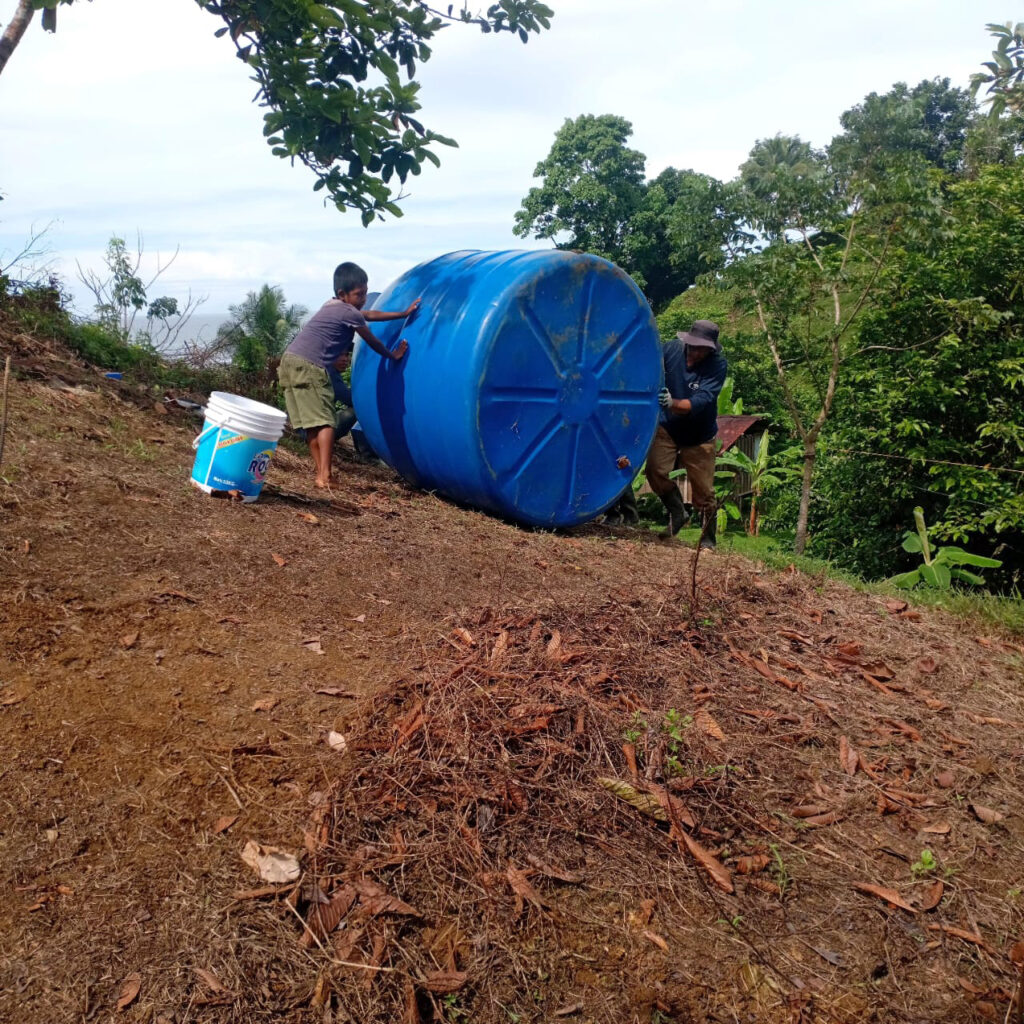
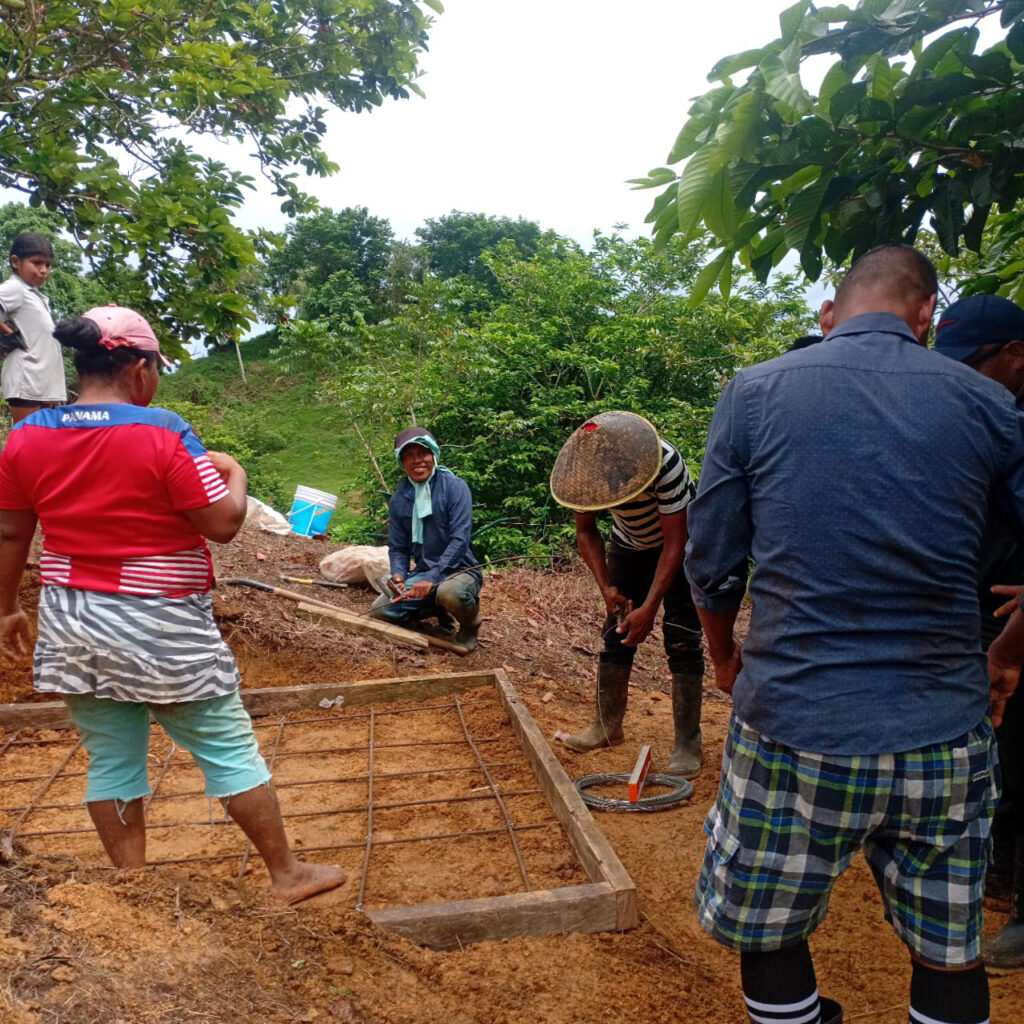
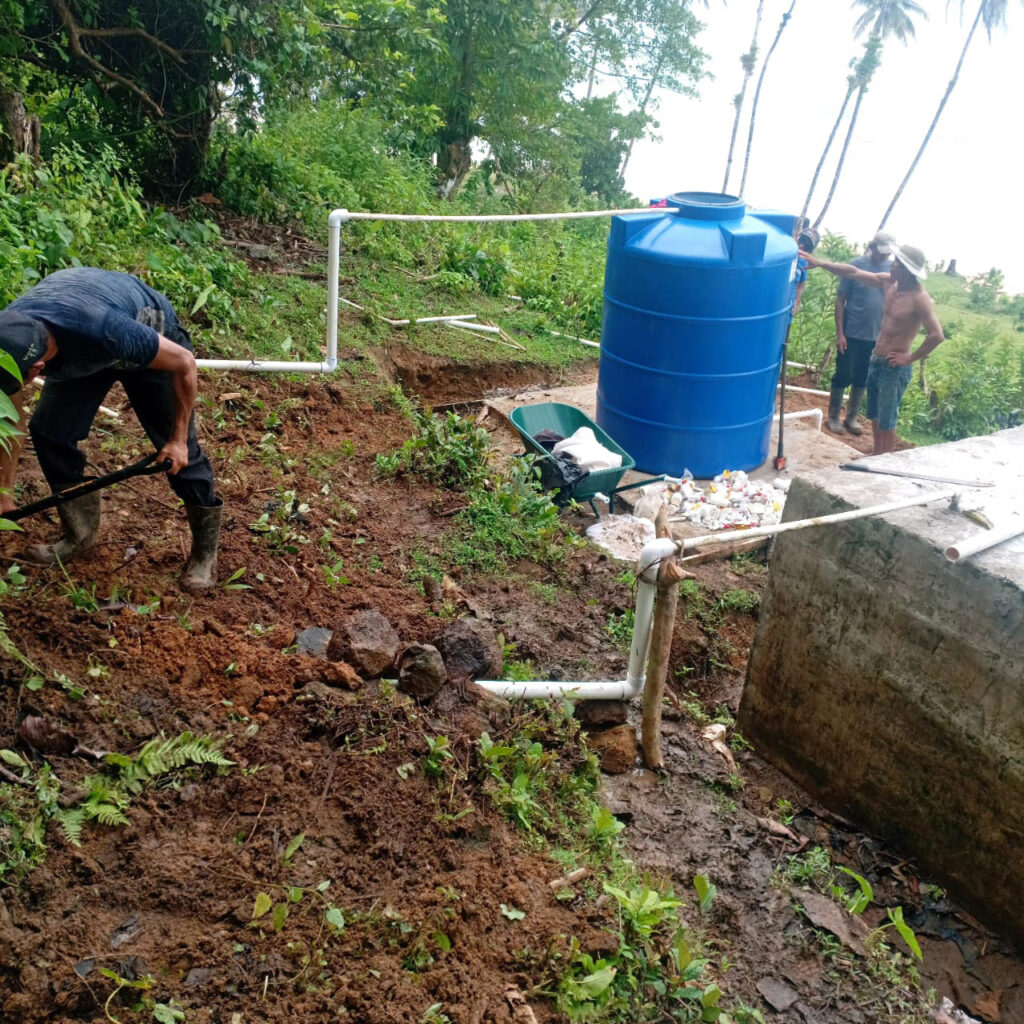
Based on community input and field assessments, four priority systems were selected for rehabilitation: Playa Balsa, Lago Rojo, Playa Bastón, and Cayo Paloma. Over the following months, community members worked alongside local coordinator Aristides “Chilo” Williams Jiménez to repair and strengthen critical water infrastructure.
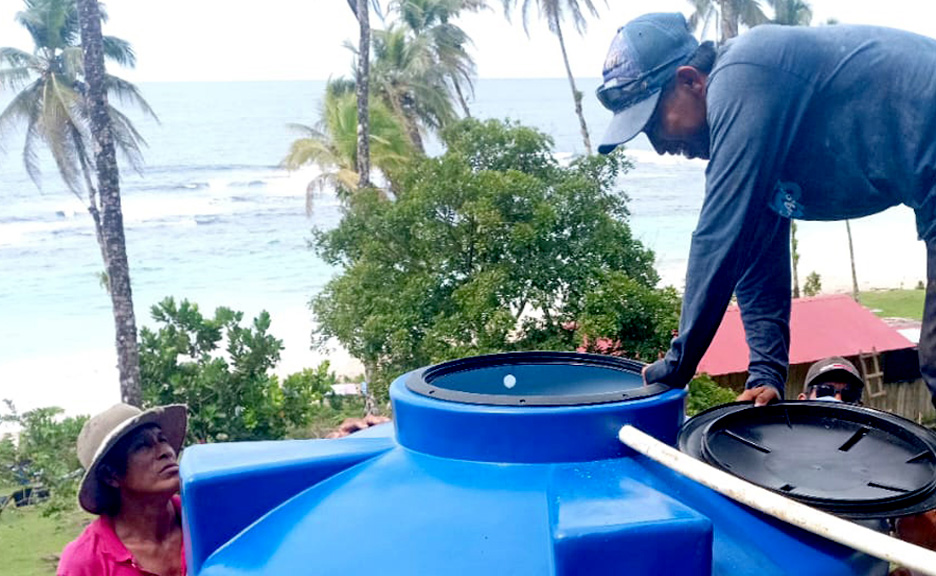
By October, rehabilitation work had been completed in all four communities. Improvements included repairs to water collection systems, storage infrastructure, and distribution networks, helping restore and strengthen reliable access to safe water for hundreds of residents.
Key Outcome
A key outcome of the project has been the continued leadership of local water committees. Community members organized work efforts, coordinated maintenance activities, and helped guide the rehabilitation process, reinforcing local ownership and long-term sustainability.
The project also highlights the importance of returning to previously completed water projects. Follow-up assessments help identify emerging challenges, protect earlier investments, and ensure that water systems continue serving families for years to come.
While significant progress has been made, additional communities in the Ñokribo region still face water access challenges. WEFTA remains committed to working alongside local leaders as opportunities arise to support future improvements.
WEFTA extends its gratitude to the community water committees, village leaders, volunteers, and local partners whose dedication made these rehabilitation efforts possible. Together, they are helping strengthen reliable access to clean water across the Ñokribo region.