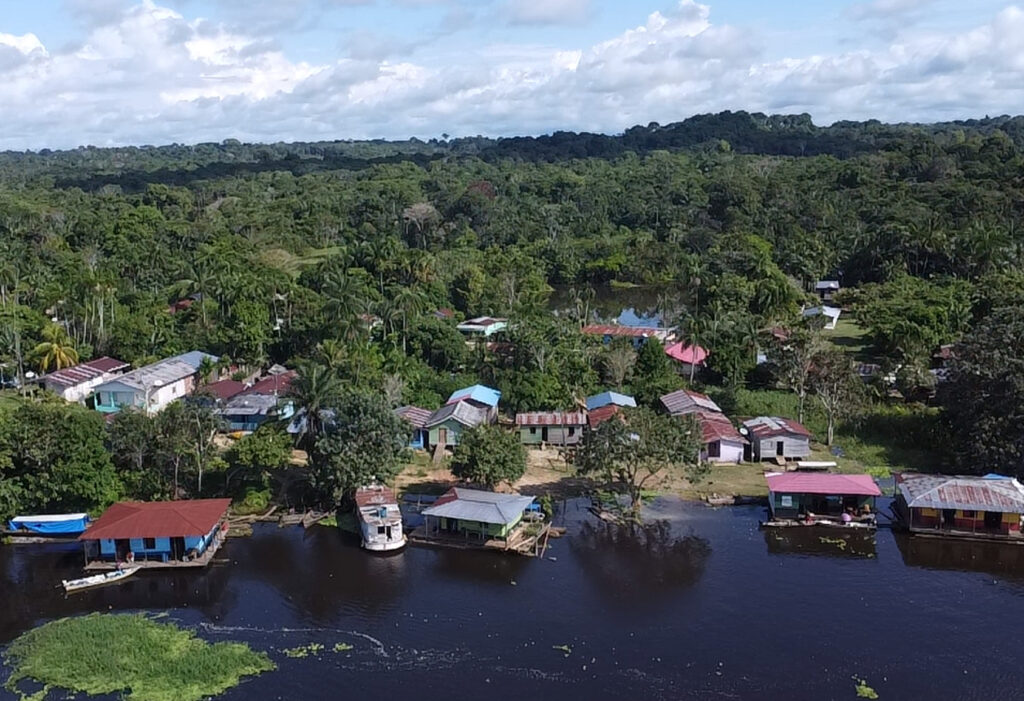
Villa Olivença, São Paulo de Olivença, Amazonas, Brazil – August 2026
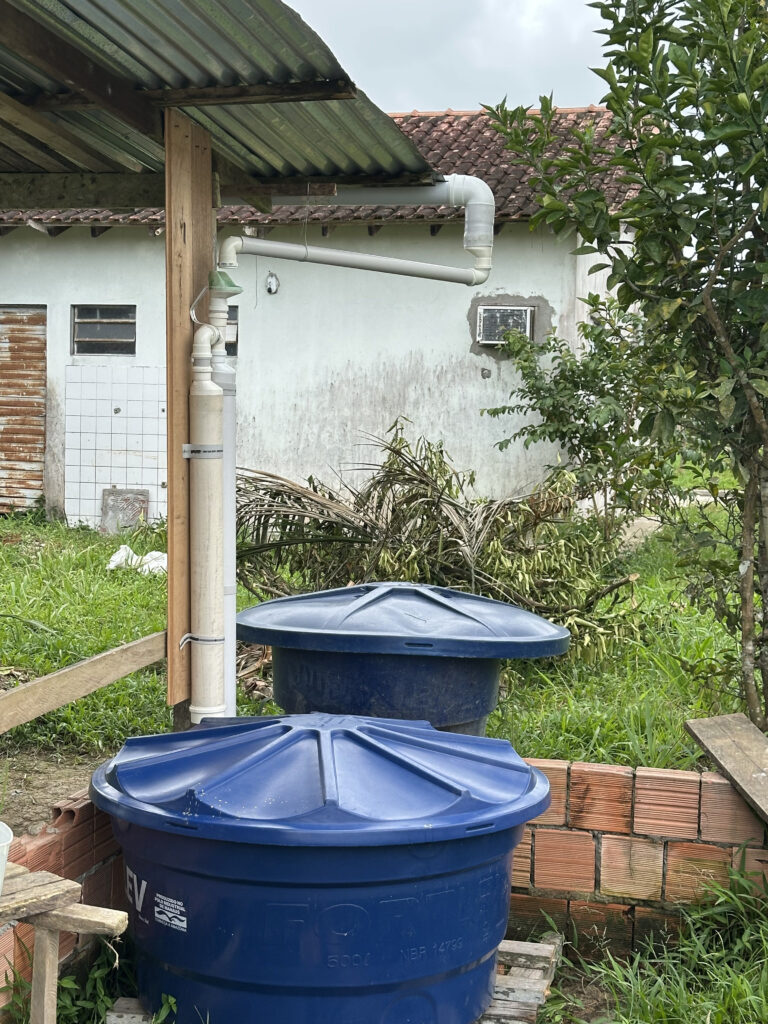
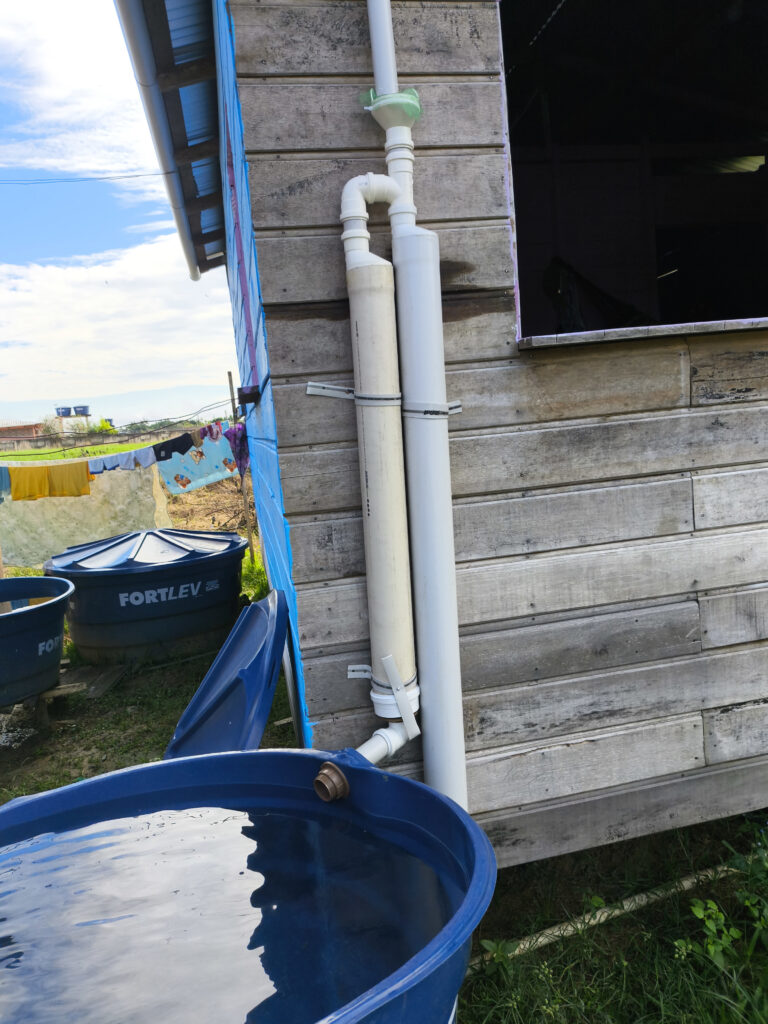
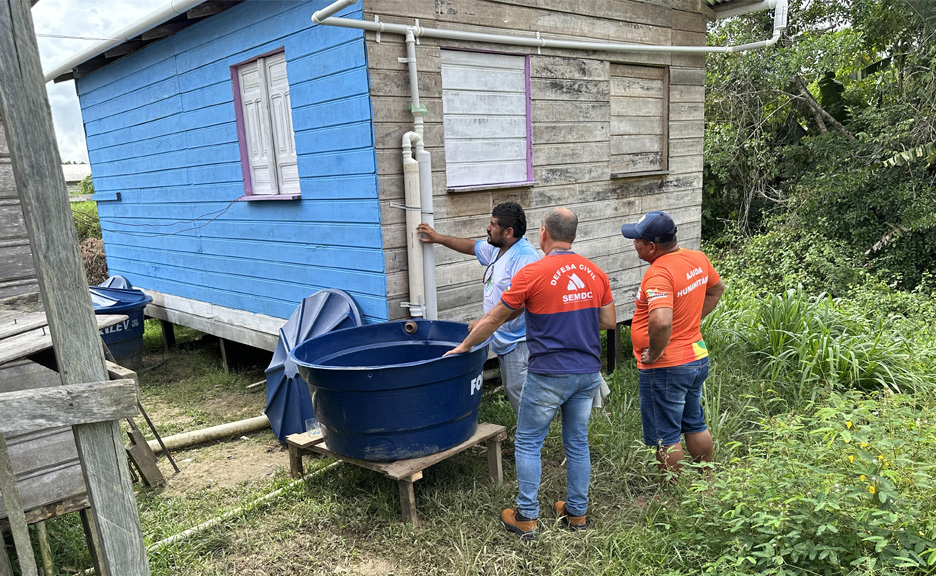
During one of the Amazon’s most severe climate crises, REDE ASSA (Rede Água Segura e Saúde), with technical support from WEFTA (Water Engineers for the Americas & Africa), successfully installed 20 rainwater harvesting systems in Villa Olivença. Working alongside Caritas Parroquial São Paulo de Olivença and the local health unit, the project provided families with a reliable source of water for drinking and basic hygiene during a period of extreme drought.
Responding to a Growing Water Crisis
As El Niño intensified water shortages across the region, the new systems provided participating families with safe and independent water reserves. The initiative demonstrated how affordable, climate-resilient technology can help remote communities adapt to increasing environmental challenges.
Project Achievements
The project achieved all planned goals:
- 20 households equipped with rainwater harvesting systems, reaching 100% of the target.
- All beneficiary families trained in system operation and maintenance.
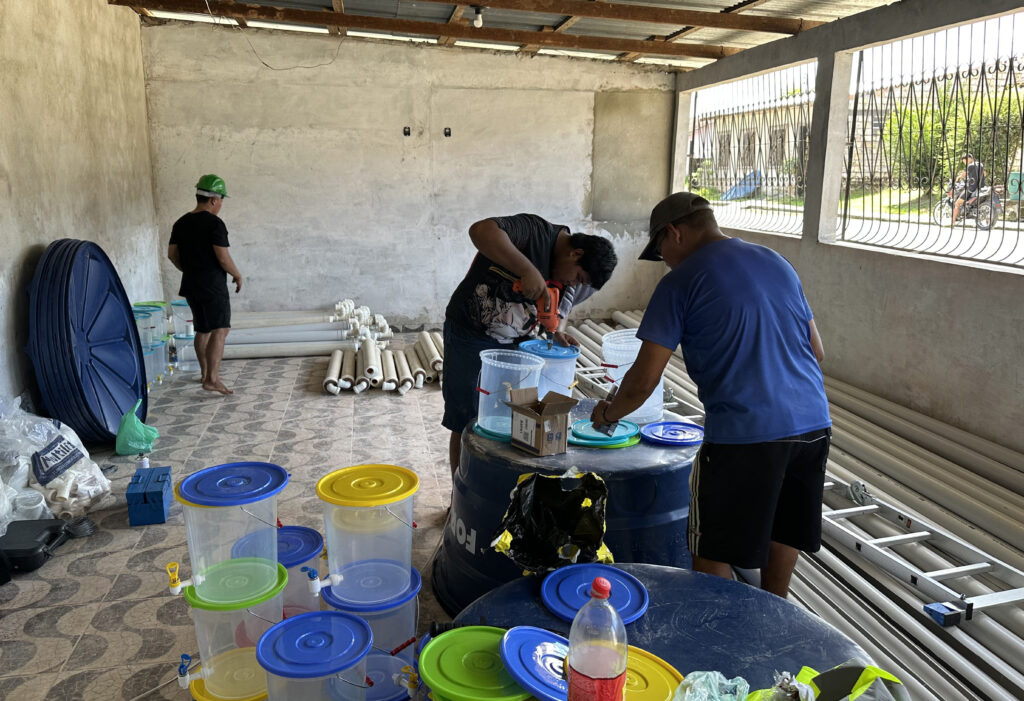
- $2,860 USD saved through volunteer labor and family participation during installation.
By helping install the systems themselves, families gained practical knowledge and a strong sense of ownership, supporting long-term sustainability.
Lessons Learned
The project highlighted the need for structural assessments before installation, as many roofs required repairs due to deterioration caused by the Amazon’s humid climate. It also confirmed that involving families directly in construction increases system ownership and reduces future maintenance needs.
Project teams further observed that even limited rainfall during the dry season can effectively replenish storage tanks when collection systems are properly optimized.
Community Solidarity Creates Wider Impact
The project’s benefits have extended beyond participating households. Families with harvesting systems have voluntarily shared stored water with neighbors who remain without access, helping ease local shortages while highlighting the need for broader coverage.
The success of the initiative has also generated interest among nearby communities and farmers’ associations seeking to replicate the model as a sustainable solution to water scarcity.
Looking Ahead
The Villa Olivença project demonstrates the effectiveness of combining community participation with practical water solutions. With the infrastructure proven and local interest growing, REDE ASSA is encouraging support for a Phase II expansion to reach additional families still facing critical water shortages.
For the families of Villa Olivença, rainwater harvesting is providing more than water. It is creating resilience, security, and hope for the future.